
How to Fix a Patchy St. Augustine Lawn in North Florida: A Gainesville Homeowner’s Repair Guide
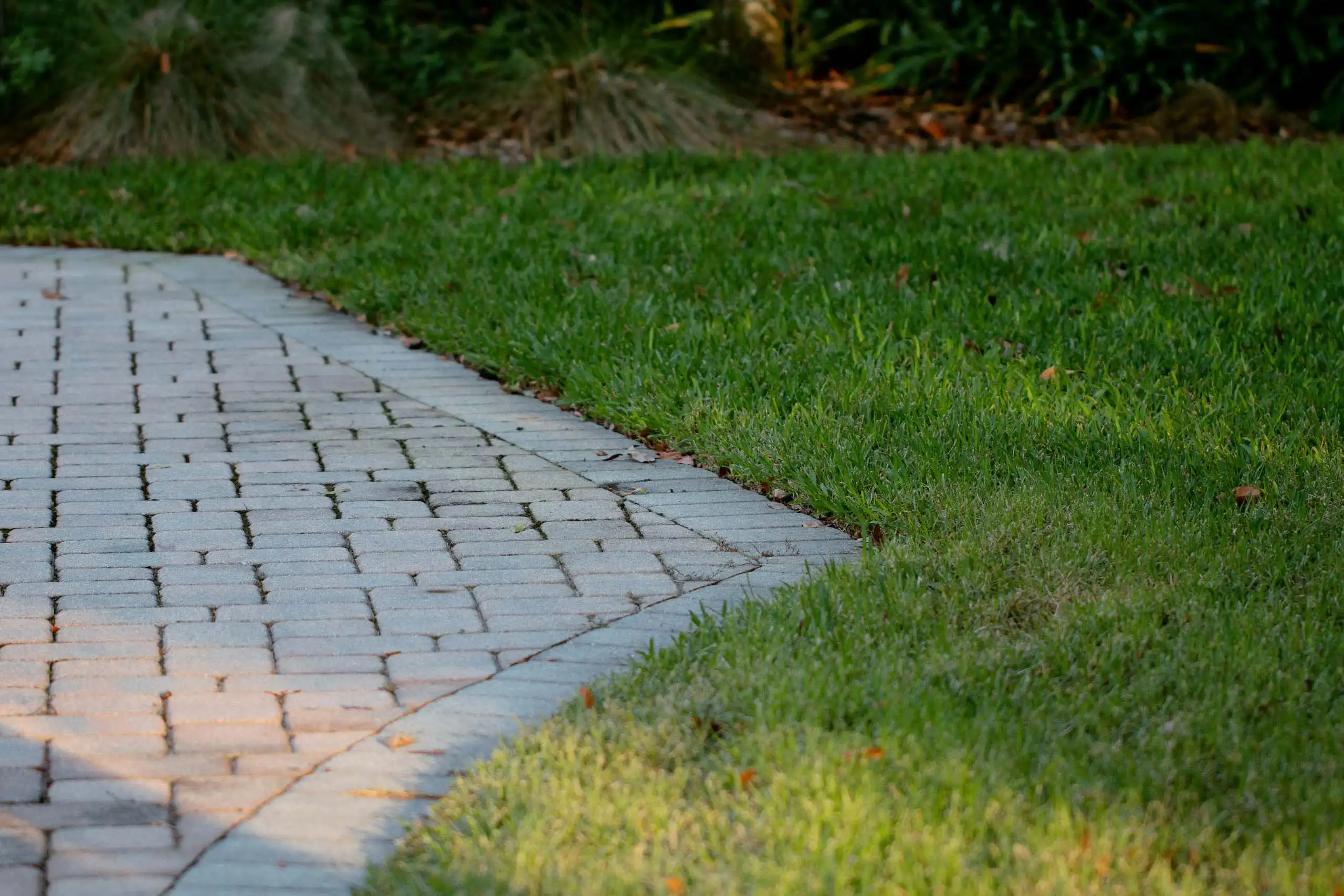
If you’ve been searching for St. Augustine grass seed in Florida, here’s the most important thing to know before you buy anything: most St. Augustine varieties don’t produce commercially viable seed, and the ones that do rarely establish reliably in Gainesville’s conditions. The correct solution for patchy North Florida lawn repair is sod or plugs, not seed. This guide covers how to diagnose the cause, choose the right repair method, and give your lawn the best chance of success. For a broader maintenance plan, see the full St. Augustine grass care guide for North Florida.
Why St. Augustine Grass Can’t Be Fixed With Seed (And What to Use Instead)
Floratam, the most widely installed variety in Gainesville, does not produce viable seed and is available only as sod, plugs, or sprigs. CitraBlue (developed by UF/IFAS) produces limited seed but is still primarily installed vegetatively. If you’ve already tried searching for St. Augustine grass seed in Florida at local garden centers, you know why the shelves are empty or why the product doesn’t perform. It either doesn’t exist for your variety or won’t establish the way conventional grass seed would. The solution for almost every patchy St. Augustine lawn repair in Gainesville is always vegetative: sod or plugs.
For patchy St. Augustine lawn repair in North Florida, you have three options:
- Sod plugs — small squares installed at intervals and allowed to spread; best for patches under 50sqft.
- Patch sod — cut-to-size pieces laid directly over the bare area; faster establishment for medium to large patches
- Full re-sodding — appropriate when more than 50% of the lawn is affected or when an underlying condition keeps causing failure
Variety matching matters: if your existing lawn is Floratam, your repair material must be Floratam. Mixing varieties creates a permanent patchwork effect. If you’re unsure which variety you have, contact SkyFrog Landscape for a site assessment before purchasing anything.
Step 1 — Diagnose the Cause Before You Repair Anything
In Alachua County, rushing to repair a lawn without a proper diagnosis is the leading cause of repeat service calls. The primary culprit behind patchy St. Augustine grass in North Florida is Chinch bugs. They cause dead patches that start near concrete edges and spread through the summer. Confirm with the flotation test with a coffee can pressed into the soil edge, filled with water. You should see insects float to the surface within five minutes.
Other issues include:
- Take-all root rot — slow, diffuse yellowing across a section; roots are short and black. This is a fungal disease worsened by overwatering, the most common mistake homeowners make.
- Drought stress — uniform thinning across exposed areas; grass folds and greys before dying. Usually a watering frequency or irrigation calibration issue.
- Shade stress — gradual thinning under Gainesville’s oak canopies as tree cover fills in seasonally.
- Dog urine / physical damage — small circular spots or irregular bare zones with obvious location patterns.
Treating chinch bug damage in North Florida with sod plugs without first applying pest control guarantees failure. Treating take-all root rot with extra water feeds the disease. The diagnosis determines everything that follows. See the UF/IFAS Alachua County Extension office for plant and soil diagnostics if you’re uncertain.
Step 2 — Choose the Right Repair Timing for North Florida
The optimal window for st augustine lawn renovation in Gainesville is late April through June. Gainesville soil temperatures at 4-inch depth reach 65–70°F in late April, the threshold for vigorous root establishment. The approaching wet season (June–September) then provides consistent moisture during the critical first 30 days. Check real-time soil temperature data at the Florida Automated Weather Network (FAWN) Gainesville station.
Installing in August–September carries a higher fungal disease risk during the wet season’s peak. October or later is not recommended; St. Augustine won’t root sufficiently before semi-dormancy. For authoritative timing guidance, see UF/IFAS St. Augustine establishment publications.
Step 3 — Prepare the Soil Before Installing
Soil preparation is the step most homeowners skip and the most common reason a repair roots poorly or fails within its first summer. Thirty minutes of prep work before installation makes a larger difference to long-term success than almost anything done afterward. Important steps include:
- Remove all dead material. The thatch between new plugs and the soil acts as a rooting barrier.
- Loosen the top 2–3 inches with a hand cultivator. Gainesville’s sandy soils compact at the surface, blocking new roots.
- Test and amend soil pH if recurring problems suggest it. St. Augustine performs best at pH 6.0–7.0. The UF/IFAS Alachua County Extension office offers soil testing.
- No nitrogen at installation. New sod needs to establish roots, not shoot growth. A starter fertilizer with higher phosphorus is acceptable if a soil test confirms deficiency, but standard lawn fertilizer waits until establishment is confirmed.
Step 4 — Install Sod Plugs or Patch Sod Correctly
Getting the installation mechanics right is what separates a repair that knits into your existing lawn from one that dries out and fails within a week. The two approaches differ in cost, coverage speed, and technique. Here’s how to execute each correctly in Gainesville’s conditions.
Installing Sod Plugs in a Gainesville Lawn
Plant on a 12-inch grid. Dig holes to the exact plug depth; too shallow and plugs dry out in Gainesville’s heat; too deep and water pools. Firm each plug into full soil contact. Water immediately. During the dry season (late April–May), daily irrigation for 14 days is appropriate; new sod plugs may qualify for a watering restriction exemption under Suwannee River or St. Johns River WMD rules. Verify with your water management district before irrigating daily.
Installing Patch Sod in a Gainesville Lawn
Cut to the exact dimensions of the bare area. Firm down with a roller or board for full soil contact. The knitting period in Gainesville conditions is 14–21 days. Don’t mow until the sod resists a firm tug, and mow at the same height as the surrounding lawn, not shorter.
Step 5 — Post-Repair Care to Ensure Establishment
Irrigation: The best time to water St. Augustine grass in Florida is early morning. Maintain consistent moisture for two weeks, then shift to watering at the first signs of wilt rather than a fixed daily schedule. Proper Florida St. Augustine grass care after repair means letting the lawn tell you when it’s thirsty, not watering on a rigid timer.
Fertilization: Wait 30 days before applying any nitrogen.
Weeds are a real risk during establishment; the incomplete canopy leaves gaps that weeds exploit fast. Hand-pull for the first 30 days. Post-emergent herbicides can stress establishing turf; product selection at this stage requires professional guidance.
Traffic: 14 days minimum off repaired areas; 30 days for heavy-use zones. For ongoing st augustine grass care in Florida, the full St. Augustine grass care guide for North Florida covers everything beyond the repair phase.
When the Damage Is Too Widespread to Patch
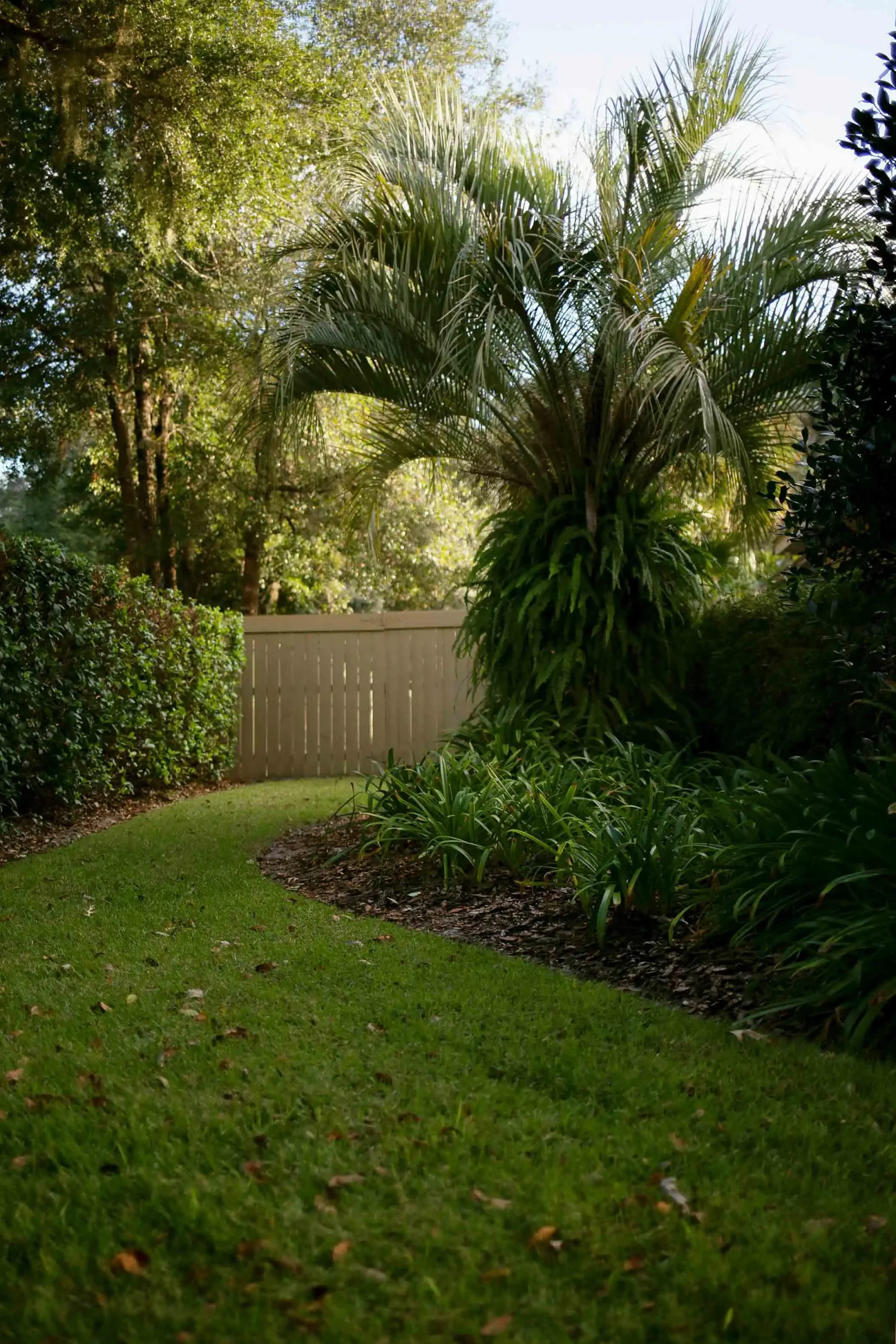
When more than 40–50% of your lawn is affected, Gainesville sod installation and full renovation are more cost-effective than piecemeal repair. Patching a lawn with a systemic underlying problem just recreates the conditions that caused the failure.
Full renovation means removing existing material, addressing the root cause, preparing soil correctly, and installing new sod across the full area. This is where professional assessment adds real value; correctly identifying the underlying cause before renovation is what separates a lawn that holds for years from one that fails again. SkyFrog Landscape’s sod installation in Gainesville covers the full process from site assessment through installation.
If the damage is too widespread to patch or if you’ve repaired it before and it keeps failing, SkyFrog Landscape’s team can assess the underlying cause and recommend the right approach for your Gainesville property. Get in touch for a free consultation.
From Bare Patches to a Healthy Gainesville Lawn: What the Full Repair Process Looks Like
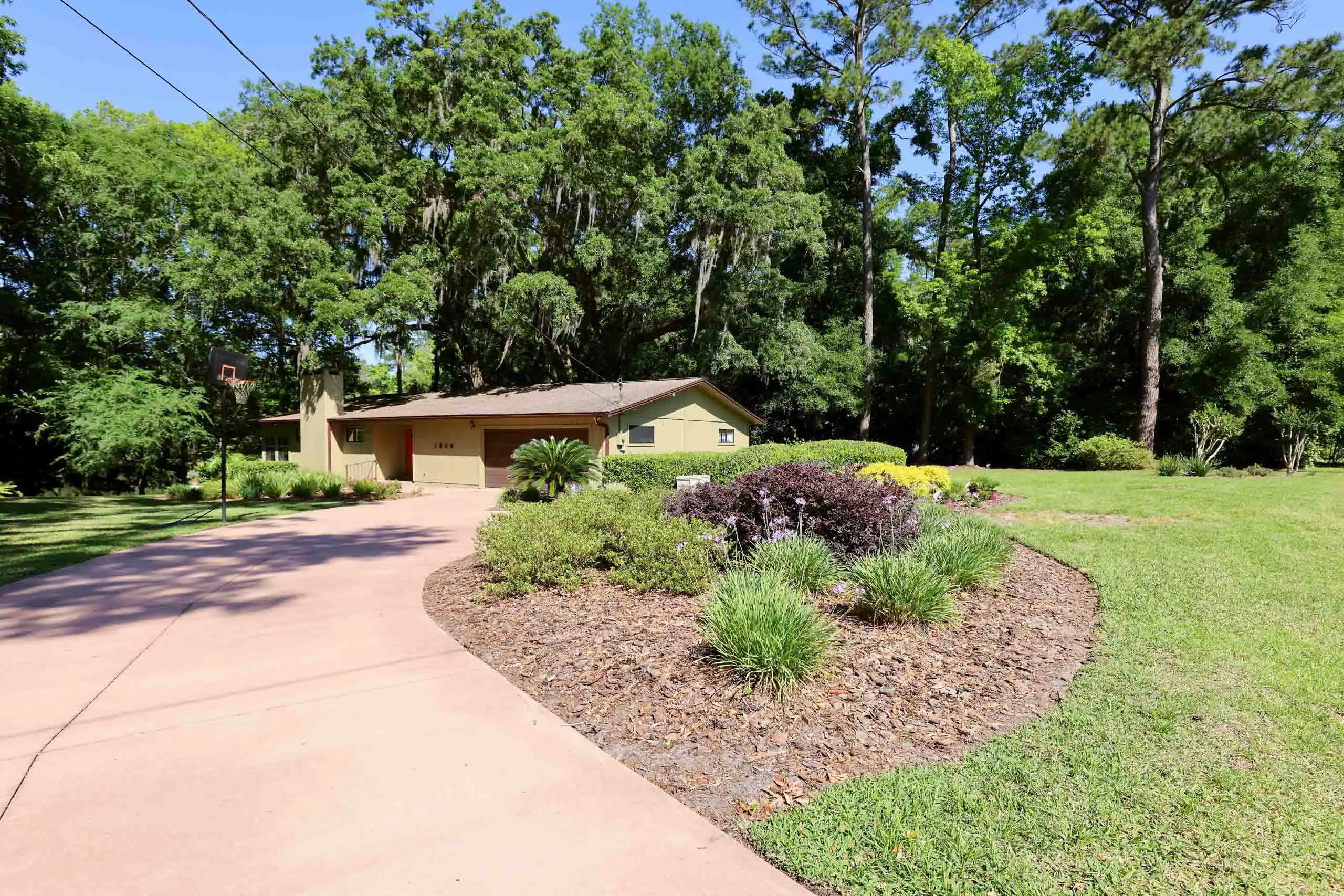
A successful St. Augustine repair isn’t a single action; it’s a sequence, and each step depends on the one before it. Diagnose first so you’re not replacing grass into the same conditions that killed it. Time the installation to Gainesville’s late-spring window so soil temperatures work in your favor. Prepare the soil so new roots have somewhere to go. Then protect the repair for 30-60 days while the root system establishes.
Most North Florida lawn repairs fail because one step was skipped, usually diagnosis or soil preparation. Follow the sequence in this guide, and your Gainesville lawn has the best foundation for a full, even recovery. If your lawn isn’t performing the way it should, contact us to get started.
Summary
Finding st augustine grass seed in Florida at your local garden center is nearly impossible, and for good reason. St. Augustine cannot be reliably propagated from seed. This guide walks Gainesville homeowners through the proper repair methods (sod plugs and patch sod), how to diagnose the cause of bare patches, and the exact timing and aftercare steps that determine whether a North Florida lawn repair succeeds or fails.
Posted in:
Tags: