

Zoysia vs. St. Augustine Grass in North Florida: Which Is Right for Your Gainesville Lawn?
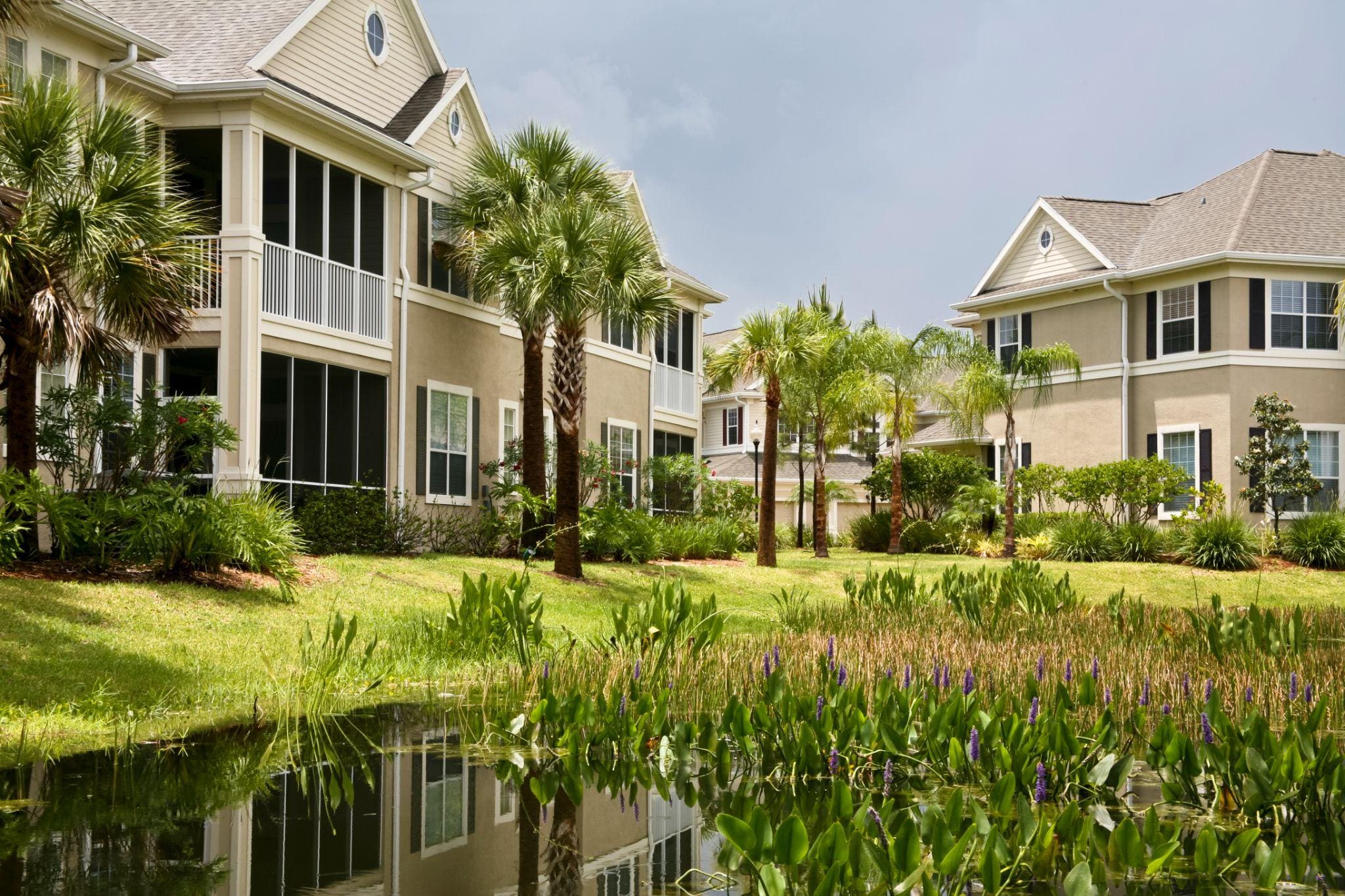
If you’ve spent the last couple of summers watching your St. Augustine lawn thin out despite everything you’ve thrown at it, you’re not alone. Across Gainesville and Alachua County, homeowners are dealing with the same cycle: chinch bug damage in sunny areas, large patch fungus under the oaks, and a lawn that can’t recover because the 8-month nitrogen ban limits what you can apply. That frustration is what sends many people searching for lawn alternatives in North Florida, and Zoysia keeps coming up.
This guide covers Zoysia vs St. Augustine grass in Florida. St. Augustine is still the right call for plenty of yards, and Zoysia isn’t a cheap or easy switch. What follows is a straightforward breakdown so you can figure out which fits your yard, not a pitch for either one.
For a full overview of caring for your current lawn, see our St. Augustine grass care guide for North Florida.
Why North Florida Homeowners Are Reconsidering St. Augustine
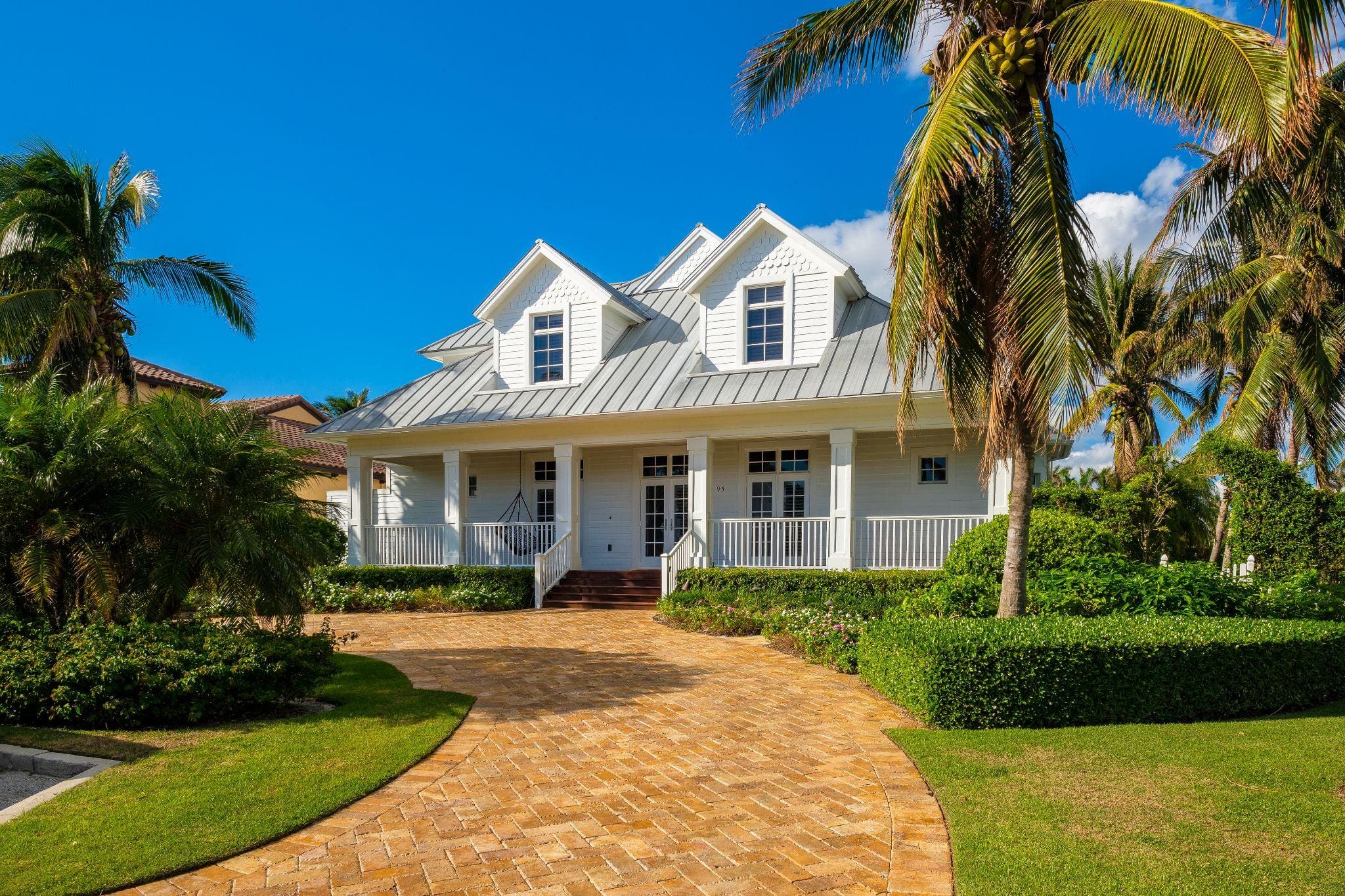
St. Augustine has been the default warm-season grass in this region for decades. It establishes quickly, handles shade better than most alternatives, and produces the dense, green look most homeowners want. But it has real vulnerabilities, and Gainesville’s conditions tend to amplify them. The combination of sandy soils, a long dry season, and humid summers creates the exact environment where chinch bugs thrive, and fungal disease spreads.
The St. Augustine Grass Problems Florida Homeowners Keep Facing
Chinch bugs are the most common complaint. In Gainesville’s sandy, full-sun yards, populations build quickly, and the damage (irregular brown patches expanding through summer) often gets mistaken for drought stress until it’s already widespread.
Large patch fungal disease hits shaded yards hardest, spreading under live oaks during cooler, wetter months. A badly affected lawn looks rough heading into spring, and the conditions that cause it don’t change, so it tends to return.
Drought stress runs from November through May. St. Augustine isn’t a drought-tolerant grass in Florida by nature. Without consistent irrigation, it thins, becomes more susceptible to weeds, and recovers slowly when summer rains return.
The nitrogen blackout compounds everything. Alachua County prohibits nitrogen application from June 1 through September 30. When St. Augustine is struggling mid-season, fertilizer isn’t an option. Your best move at this point ia pivoting to soil-building compounds and biostimulants, keeping up with watering, and waiting it out.
For yards with reliable shade and consistent irrigation, St. Augustine still performs well. But for full-sun yards on sandy soils with recurring pest or disease pressure, it’s reasonable to look at alternatives. See our St. Augustine grass care guide for North Florida for managing these issues within current restrictions.
What Is Zoysia Grass in Florida and Why Is It Getting Attention?
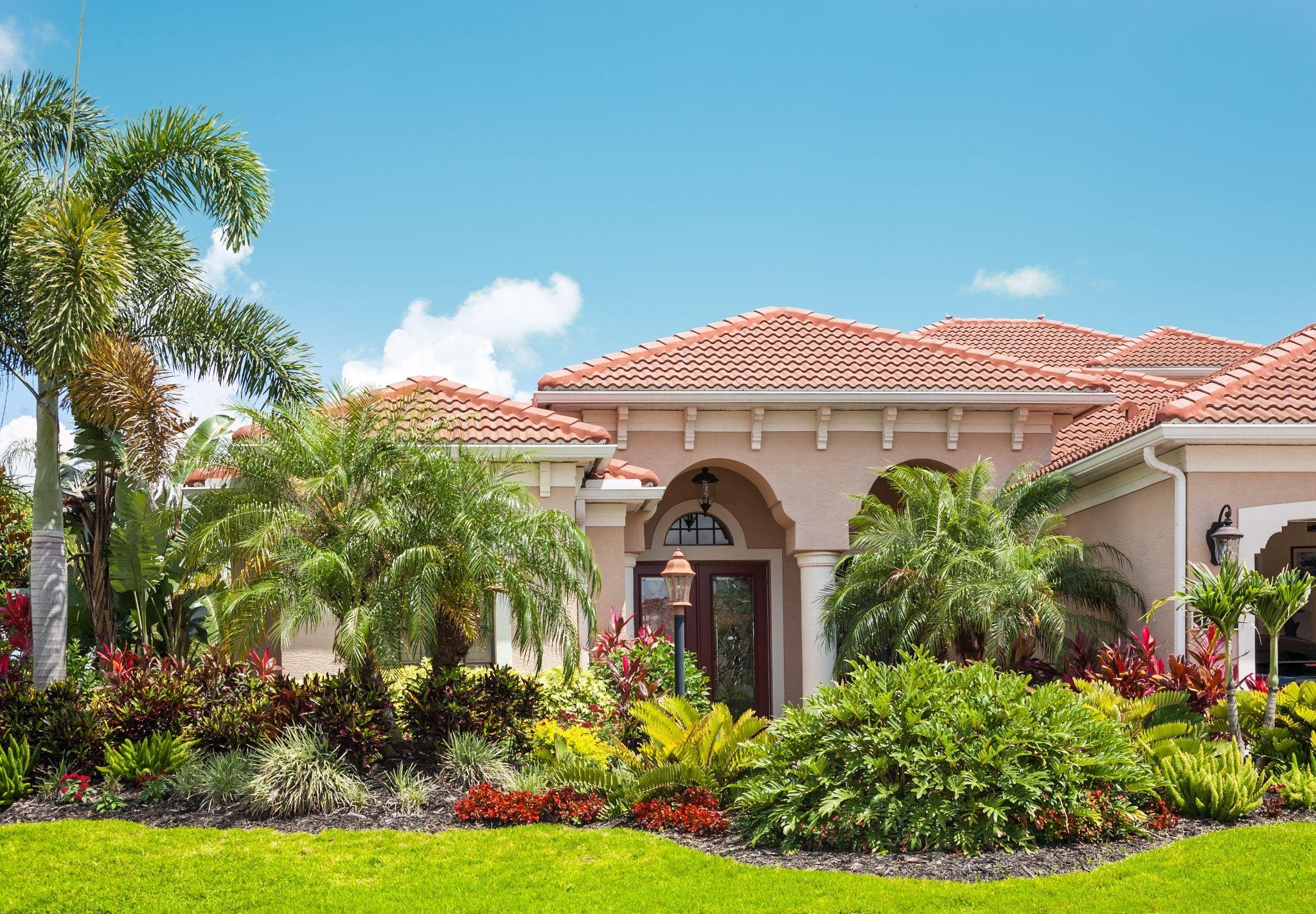
Zoysia grass in Florida isn’t a new concept, but it’s getting more serious consideration from homeowners who’ve exhausted their options with St. Augustine. The appeal is practical: slower growth means fewer mowing sessions, a denser habit resists weeds naturally, and established Zoysia handles drought far better than St. Augustine.
Rather than dying under water stress, Zoysia goes dormant (turns straw-coloured) and recovers reliably when rain returns; a meaningful advantage for any Gainesville lawn on a conservation schedule.
For the Gainesville area, Emerald and Zeon are the varieties most worth knowing. Both perform well in North Florida’s heat and humidity and are installed as sod. UF/IFAS has increasingly recognized Zoysia as a viable alternative for Florida lawns. Their Zoysia grass recommendations for Florida reflect conditions directly applicable to this region.
Zoysia vs St. Augustine Grass — Head-to-Head for Gainesville Yards
Shade Tolerance
St. Augustine wins here. Palmetto and CitraBlue handle heavy shade better than any other warm-season grass. Zoysia needs at least 4–6 hours of direct sun; in a yard dominated by mature live oaks, it will thin and decline regardless of maintenance. If shade defines your yard, St. Augustine is still the better choice.
Drought Tolerance and Water Restrictions
For homeowners looking for drought-tolerant grass in Florida, Zoysia has the clear edge. It goes dormant under water stress rather than dying, and recovers well when rainfall returns. St. Augustine doesn’t have that buffer; sustained under-irrigation causes slow, costly dieback.
Established Zoysia needs significantly less supplemental irrigation during Gainesville’s dry season. The Florida-Friendly Landscaping program specifically supports lower-water turfgrass choices as part of responsible yard management in this region, and Zoysia fits that framework better than St. Augustine for most full-sun conditions.
Disease and Pest Pressure
Zoysia is notably more resistant to chinch bugs and large patch disease, the two most damaging problems in North Florida St. Augustine lawns. For homeowners who’ve run the same treatment cycle two or three summers in a row, that resistance alone can make a strong case for switching.
Zoysia isn’t disease-free; a Zoysia patch can form and appear in North Florida conditions. But its overall disease profile is more manageable in this climate.
Fertilization and the Nitrogen Ban
Zoysia’s lower nitrogen requirement means Alachua County’s fertilization restrictions are far less disruptive than they are for St. Augustine. A healthy Zoysia lawn holds its appearance through the blackout period without a nitrogen push. A struggling St. Augustine lawn during the same window has very few options.
Establishment Cost and Transition
Switching from St. Augustine to Zoysia is not cheap or fast. Existing St. Augustine typically needs to be fully killed and removed; the grasses don’t coexist, and remnant St. Augustine will prevent Zoysia from establishing cleanly. That means herbicide treatment, removal, soil preparation, and then sod or plug installation.
Zoysia establishes slowly; expect a full growing season before the lawn looks properly filled in. Spring installation gives the best results. Timing and soil prep directly determine whether the installation succeeds or struggles.
Our lawn care team works in Gainesville yards regularly and can assess whether your site is a realistic candidate before any commitment is made.
Mowing and Ongoing Maintenance
Zoysia may be lower maintenance but it does demand correct technique: a sharp blade, a low cut, and no scalping. Overall maintenance inputs – water, fertilizer, pest treatments are lower once established. But the establishment phase requires patience.
Which Grass Is Right for Your Yard? A Simple Framework
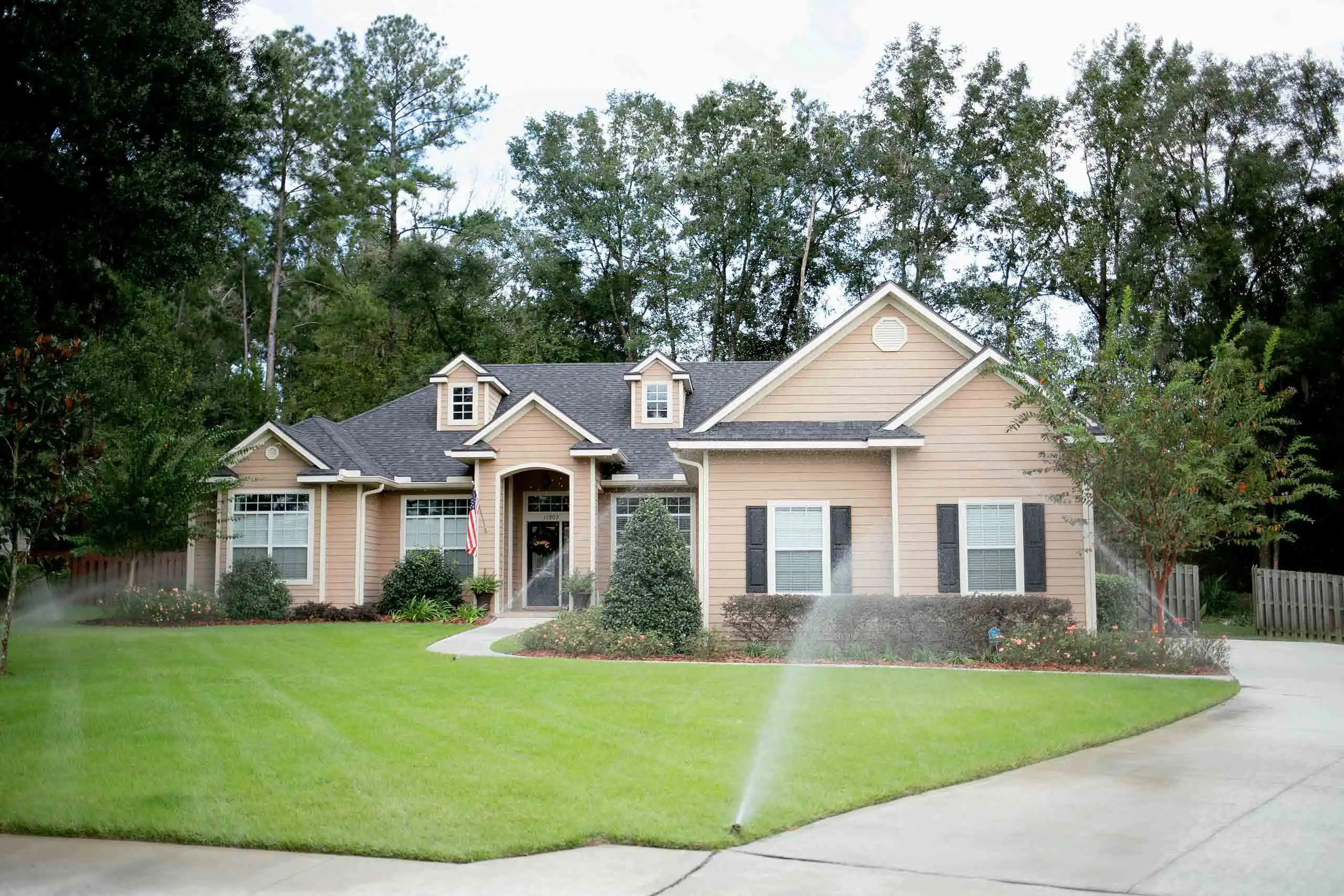
Finding the best grass for North Florida comes down to matching the grass to your yard’s actual conditions.
- Heavy shade under live oaks: Stay with St. Augustine (Palmetto or CitraBlue). Zoysia won’t perform here.
- Full sun: Recurring chinch bugs or large patches, rising water costs. Zoysia is worth a serious look. The upfront cost is real, but reduced inputs and better drought performance make it more practical over five to ten years.
- Mixed conditions or still undecided: A site assessment beats any checklist. Sun patterns, soil type, irrigation, and lawn history all factor in.
Not sure which grass is right for your yard? SkyFrog Landscape services lawns in Gainesville and Alachua County every week. We’re happy to take a look and give you an honest answer. Contact us for a free consultation.
Thinking About Making the Switch? What the Process Actually Looks Like
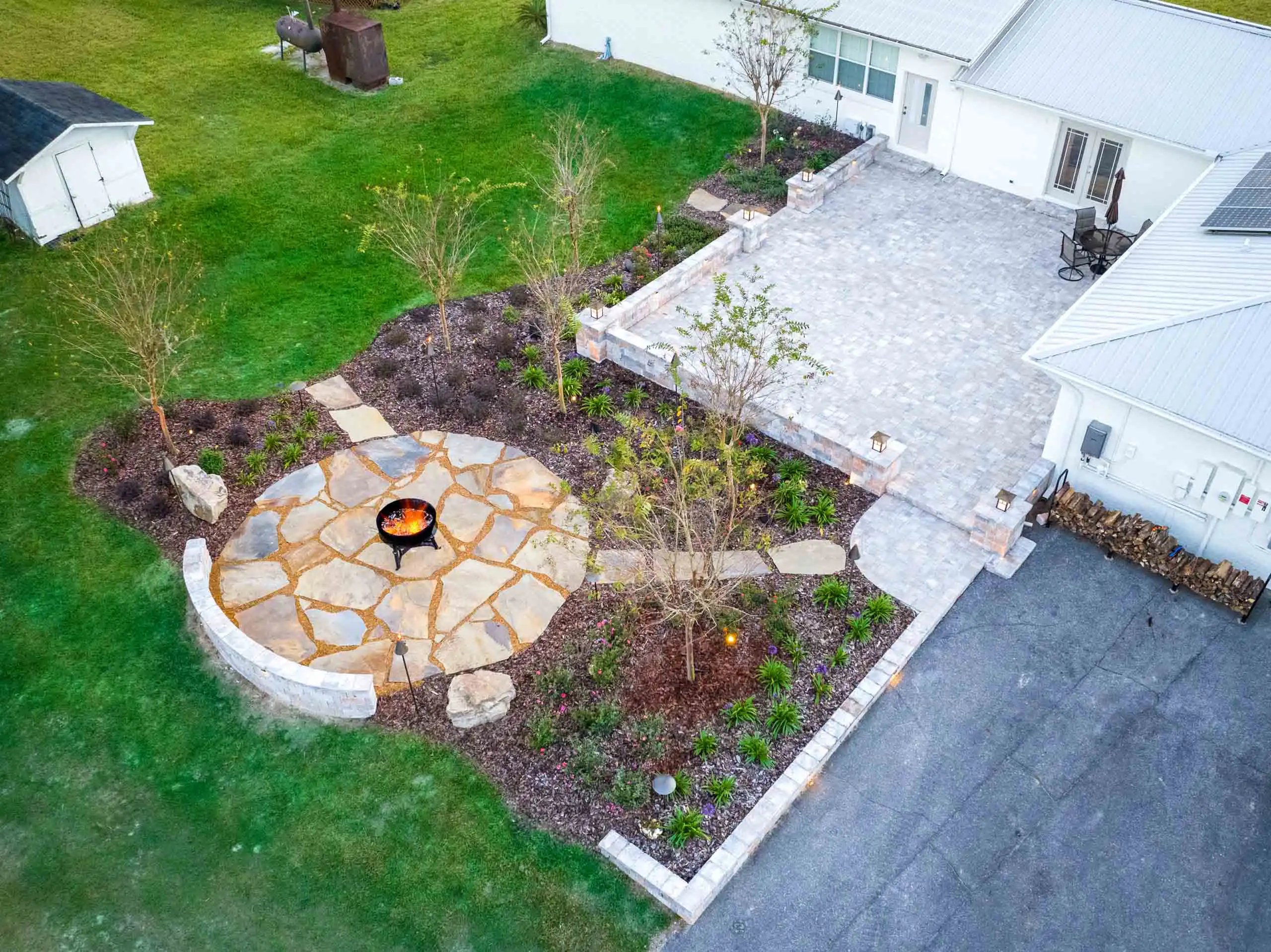
- Site assessment — Sun exposure mapped through the day, soil evaluated, and irrigation confirmed. Some yards suit a partial transition, keeping St. Augustine in shade while switching full-sun areas to Zoysia.
- Turf removal — One or more herbicide applications followed by clearing dead material. Rushing this step results in St. Augustine re-emerging through the new sod.
- Soil preparation — Level, settled, and at the correct depth for sod or plugs. This is where most DIY installs go wrong.
- Installation — Sod for faster coverage; plugs for lower upfront cost but a longer fill-in period (typically two growing seasons for full coverage).
- Establishment watering — More frequent than a mature lawn needs, especially during the first six weeks. A clear schedule is part of any professional installation.
The process takes one full growing season to look properly established. It’s not a quick fix, but for a yard cycling through the same St. Augustine grass problems in Florida year after year, it’s a durable one.
SkyFrog Landscape handles sod installation and lawn conversion across Gainesville and Alachua County. We’ll assess your yard honestly and give you a realistic cost and timeline before any work begins. Contact us for a free consultation.
Summary
When it comes to Zoysia vs St. Augustine grass in Florida, there’s no single right answer. The choice depends on your yard’s sun exposure, soil, and maintenance history. This guide walks Gainesville homeowners through the key differences between both grasses, covering drought tolerance, disease pressure, the Alachua County nitrogen ban, and the real cost of switching. Whether you’re dealing with St. Augustine grass problems in Florida or exploring lawn alternatives for North Florida, understanding how each grass performs in this specific climate is the first step toward a decision you won’t regret.
Posted in:
Tags: