
A butterfly garden is more than a pretty collection of flowers; it’s a living classroom. In Gainesville, you are lucky to live in a region where North Florida gardens can be havens for butterflies, hummingbirds, and bees. You might feel unsure about where to begin, or worry that you don’t have the knowledge to create a vibrant space. Your space can be an opportunity to teach kids about nature and pollination, and it can provide a peaceful spot for you to relax. When you follow garden care practices that match our climate, you can enjoy a yard that thrives year-round. Local garden enthusiasts know that Florida-friendly landscaping encourages attracting wildlife, and many locals search for information about a pollinator garden in Florida to get started. The principles of professional gardeners emphasise thoughtful plant selection and stewardship, and those ideas translate well to Gainesville. You’ll see that creating a pollinator-friendly landscape isn’t complicated when you choose the right plants, plan your layout, and enjoy watching wildlife return to your space. A few simple concepts turn a corner into a healthy habitat. Taking the first step toward creating a pollinator haven helps local pollinators.
Butterfly Basics
When you start a pollinator garden in Florida, think about the entire life cycle of butterflies. Caterpillars need specific host plants, while adult butterflies seek nectar. By planting both, you can create a thriving habitat and make your butterfly garden flourish. This ensures butterflies have a place to lay eggs and caterpillars have food.
- Host plants: Milkweed for monarchs, parsley and fennel for black swallowtails, and passionflower for Gulf fritillaries. These plants feed caterpillars and ensure that butterflies lay eggs in your yard.
- Nectar plants: Pentas, lantana, salvia, and zinnia are rich nectar sources. Arrange them in clusters so butterflies can easily locate food.
Add a few pots if space is limited. Each time you see caterpillars munching away, you know your garden is working. You’ll also notice how bees and hummingbirds visit the same nectar plants, adding more life to your yard. With careful placement of host and nectar plants, you can encourage continuous blooms and healthy growth. Our approach shares similarities with professional gardening practices; both focus on providing plants with the right conditions and minimizing chemicals so that wildlife can flourish. You’ll soon see that a well-planned space becomes a hub of activity and a daily source of wonder. Many gardeners search online for butterfly garden ideas because they want an easy way to support pollinators. As you plan your own space, you’ll join a community of nature lovers.
Native Flower Beds for Your Butterfly Garden
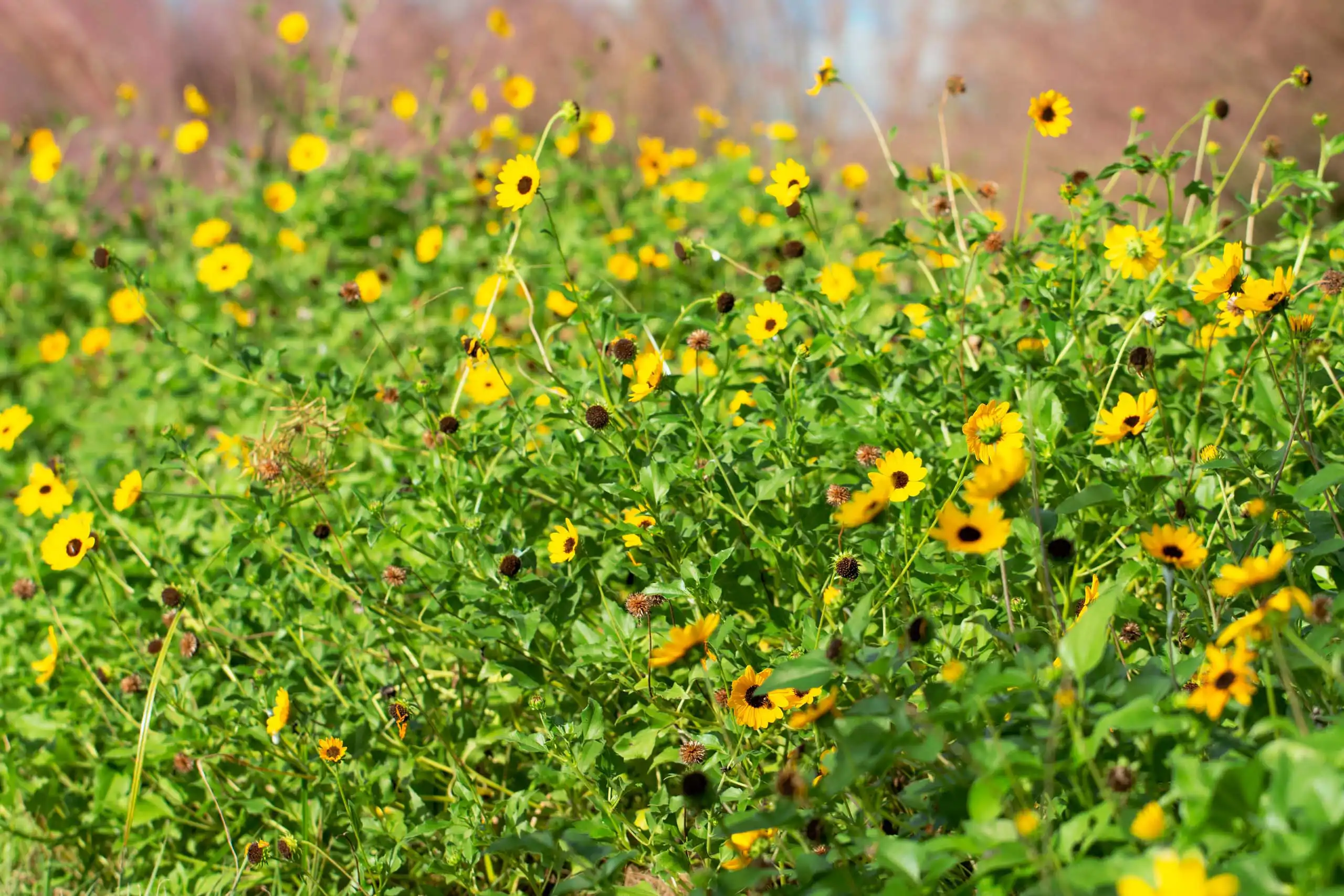
Gainesville’s climate allows a rich selection of native wildflowers that attract bees and butterflies. When you choose species adapted to Alachua County, you reduce maintenance and create habitat at the same time. Selecting local species helps your butterfly garden thrive with less attention. Native plants evolved here and handle our weather and soils.
Short flowering list:
- Coreopsis (Florida’s state wildflower) blooms with cheerful yellow petals that brighten up beds.
- Blanket flower has red and yellow blooms that attract bees and Gulf fritillaries.
- Black eyed Susan offers daisy-like flowers and tolerates poor soils.
For spring interest, try phlox and blue-eyed grass. In summer, add bee balm. Fall brings asters and goldenrod. By grouping plants according to bloom season, you provide year-round food sources. Birds also appreciate the seeds these flowers produce. This means your butterfly garden provides food all year long.
Our philosophy is similar to professional gardeners in that planting natives supports local ecosystems and reduces the need for fertilizers or pesticides. Once established, native beds require minimal watering and just a few simple care steps like deadheading to encourage new growth. With a mix of wildflowers, you’ll witness butterflies and bees visiting all season. Incorporating butterfly plants in Gainesville also ensures that local species find the food they need. A butterfly garden filled with natives will thrive even during hot summers and mild winters.
Butterfly Friendly Design Elements
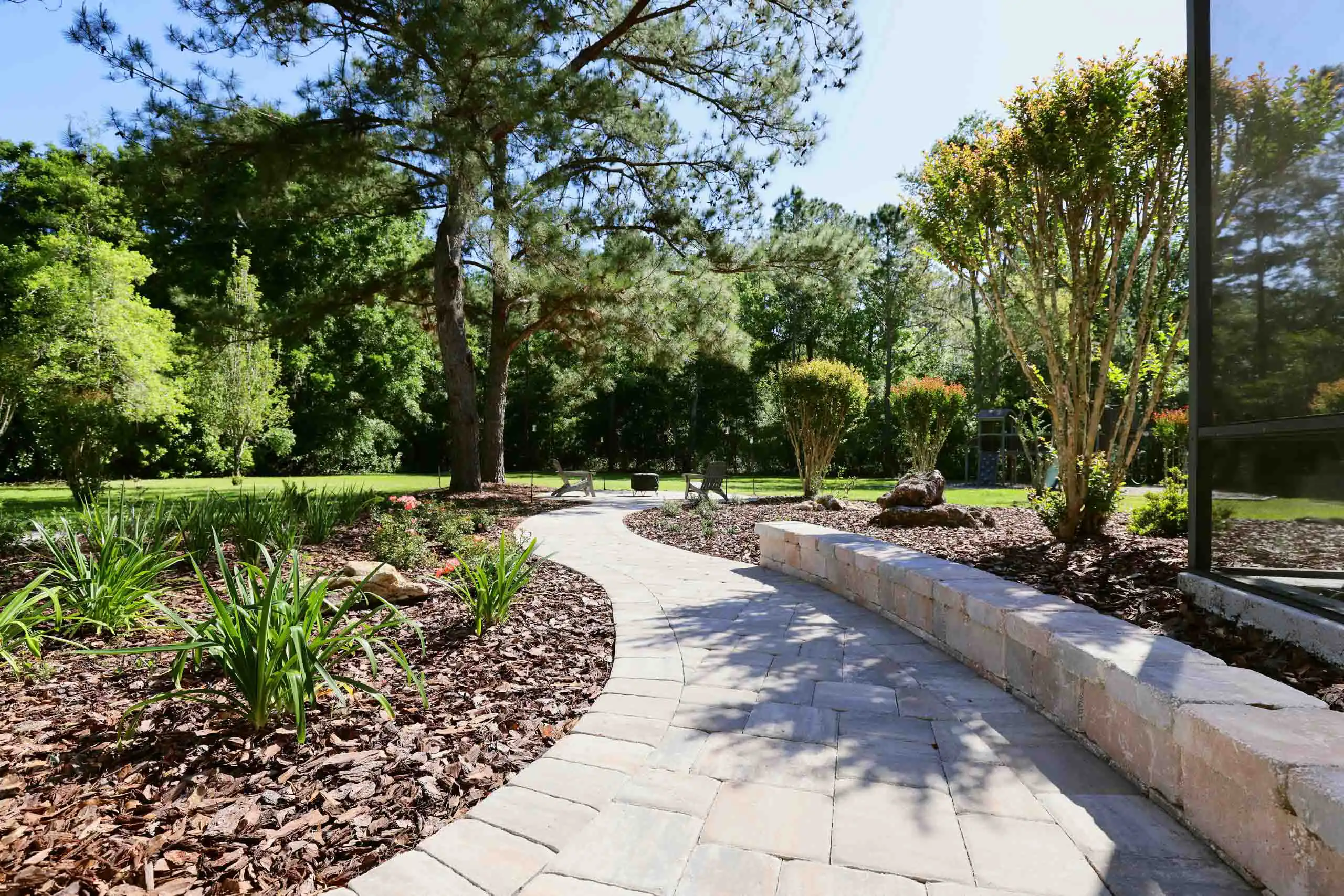
A pollinator garden is more than just plants; small features make butterflies feel welcome. One element you can include is a puddling area, a shallow dish, or a small depression lined with sand and kept moist. Butterflies sip minerals from the damp ground, and these areas are delightful to watch. Place a few flat stones in sunny spots so butterflies can warm their wings. A small shrub or trellis near the flower bed provides shelter from the wind and a resting place. By focusing on simple elements, you can make your butterfly garden stand out from a regular flowerbed.
Consider these additions:
- Puddling station: Fill a terra cotta saucer with sand and water. Refresh it regularly.
- Sunbathing rocks: Choose flat, dark stones that absorb heat.
- Shelter: Plant a shrub like spicebush or install a trellis with coral honeysuckle.
Thoughtful design touches make your garden unique. You’ll find that these features invite butterflies to linger longer, making it easier to observe their behavior and teach kids about their life cycles. Keep in mind to space out these elements so that butterflies have room to move. Following a few simple care routines like checking water levels and tidying up debris, ensures your puddling station stays clean and inviting. With these touches, you’ll enjoy a pollinator garden in Florida that feels like a natural oasis. Over time, stones and puddles make your yard a favourite stop for neighborhood butterflies. These touches elevate an ordinary bed into a butterfly garden.
Bird Attractions
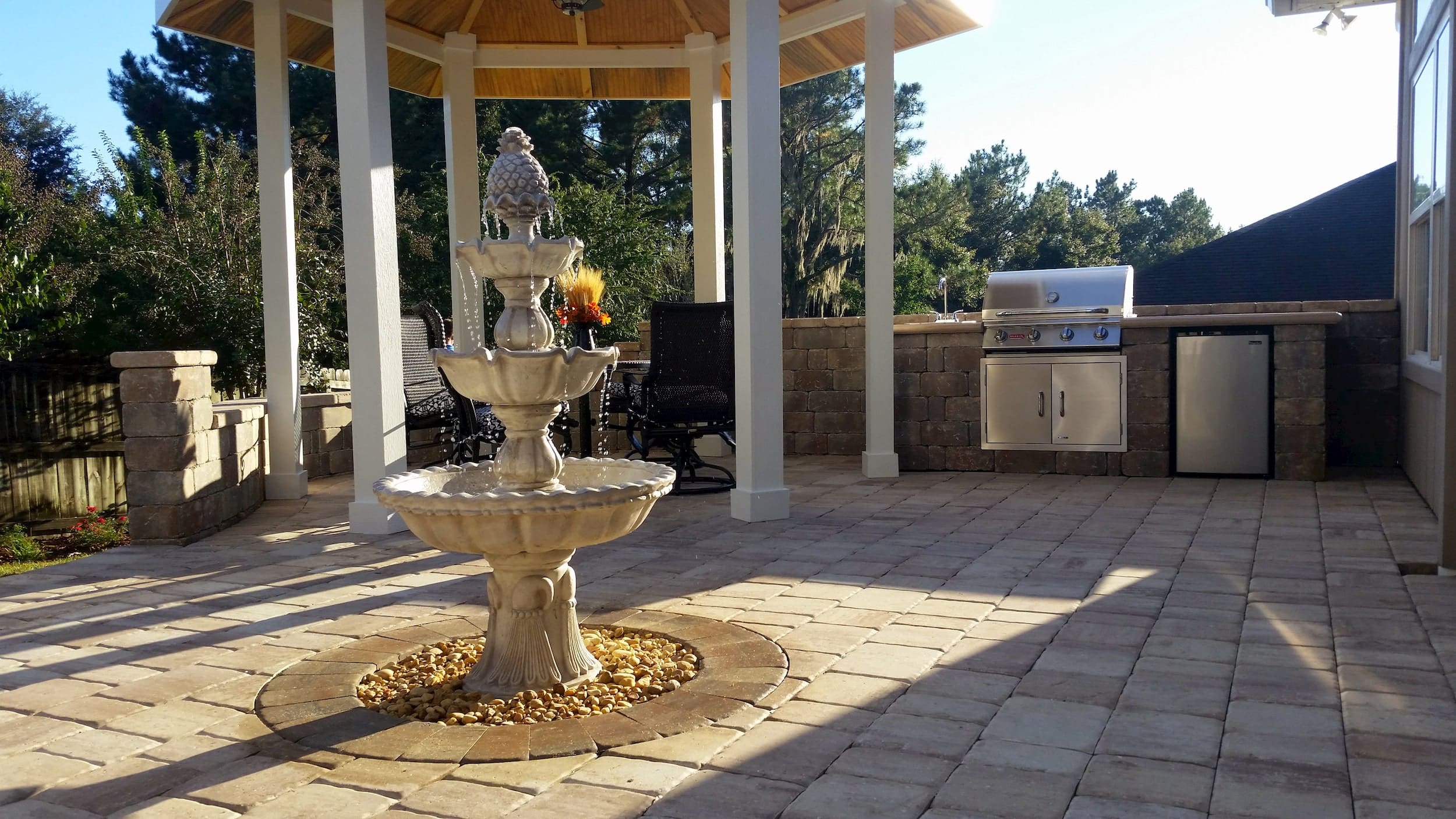
A pollinator garden often doubles as a bird-friendly garden. Many nectar plants attract hummingbirds as well as butterflies. Consider coral honeysuckle or trumpet vine; their tubular flowers are favourites of hummingbirds. Plant native shrubs with berries such as beautyberry and firebush to feed songbirds. These shrubs also offer shelter and nesting sites. You’ll find that including birds in your design enriches your yard, and it aligns with the principles of a thriving pollinator haven because you create a diverse habitat. Birds also help control pests, further supporting your pollinator goals.
You can also provide:
- A birdbath: Keep water fresh and shallow; change it regularly to prevent mosquitoes.
- A feeder: Offer seeds in winter when natural food is scarce.
When birds and butterflies share the same space, you witness the interconnectedness of your garden. Remember to place birdbaths away from dense cover to reduce predator risks. With these simple additions and a commitment to organic practices, your yard will buzz and chirp with activity. Reading our hummingbird-friendly plant guide can give you even more ideas. Choosing butterfly plants in Gainesville that also offer nectar for hummingbirds will make your space even livelier. Hummingbirds will often visit the same tubular blooms that butterflies enjoy, and berries offer colorful fruit that birds relish in autumn. Hang suet cakes for woodpeckers. A well-planned pollinator garden will naturally evolve into a mini sanctuary for all sorts of winged visitors, giving you hours of enjoyment watching their antics.
Garden Layout & Maintenance
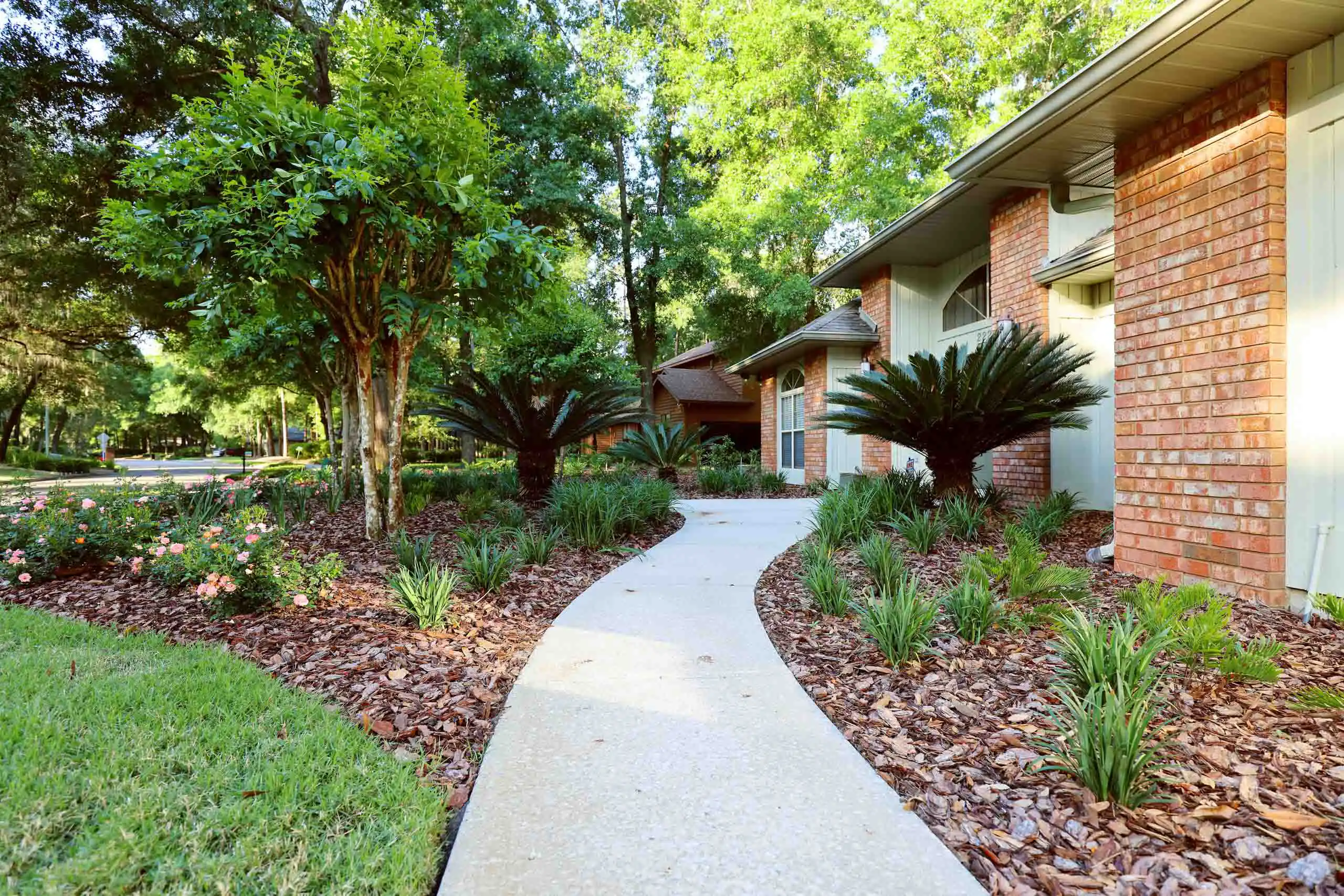
Designing your butterfly garden begins with choosing a sunny spot. Most nectar and host plants need at least six hours of sun. Arrange plants in clusters; this makes it easier for pollinators to find them and creates a visual impact. Place taller plants at the back and shorter ones in front for easy access. Use mulch to retain moisture and suppress weeds.
Avoiding chemicals is important. Pesticides can harm butterflies, bees, and birds. Instead, invite beneficial insects like ladybugs and lacewings to keep pests in check. Space plants properly to allow air circulation and reduce disease. Simple maintenance steps include watering new plants until they establish and then watering only during dry spells; trimming spent flowers to encourage new blooms; and leaving some leaf litter in winter for overwintering insects. Regularly remove invasive weeds that may crowd out your butterfly plants in Gainesville.
Our approach focuses on thoughtful planning and stewardship. When you follow these guidelines, you’ll find that upkeep is straightforward and enjoyable. A sunny corner of your yard can become a lively hub, and even small gardens make a difference. By clustering plants, minimizing chemicals, and pruning at the right time, you create a space that supports wildlife and brings joy to your family. A well-planned pollinator garden in Florida uses these practices to sustain itself. By following these practices, your butterfly garden stays healthy. With the right selection of butterfly plants in Gainesville and a clear layout, you can enjoy a garden that feels natural and inviting.
Get Help Crafting Your Perfect Butterfly Garden
You don’t need a large property to start a pollinator garden. Even a small corner of your yard can become a sanctuary for butterflies and birds when you choose the right plants. Gainesville’s rich environment provides the perfect backdrop, and your efforts help support pollinators that play a vital role in our ecosystem. As you watch monarchs sip nectar from milkweed or a hummingbird hover near a honeysuckle vine, you’ll feel connected to the natural world around you.
Contact us to start your butterfly garden project and share photos of your successes. We’d love to see how you bring a pollinator haven to life and answer your questions. Share your photos with our team, and feel free to reach out for personalized advice. Together, we can make Gainesville yards buzzing with life.