Landscaping mistakes happen even when you plan to do everything right. Gainesville’s weather shifts fast. Your yard might dry out one week and flood the next. Soil can be sandy in one area and compacted in another. Without a simple plan, landscaping mistakes build up and cost you time and money.
You feel it when a rainy afternoon leaves standing water by your patio. You see it when a new hedge stalls after a hot spell. Landscaping missteps show up as patchy turf, drooping shrubs, or mulch that washes into the street. Small decisions add up, and they often add stress.
There is a better path. A short site review, smart plant choices, and a light maintenance routine lower the risk of landscaping mistakes. You can enjoy your yard more and spend less time fixing preventable issues.
Florida Landscaping Problems: What Gainesville Homeowners Face
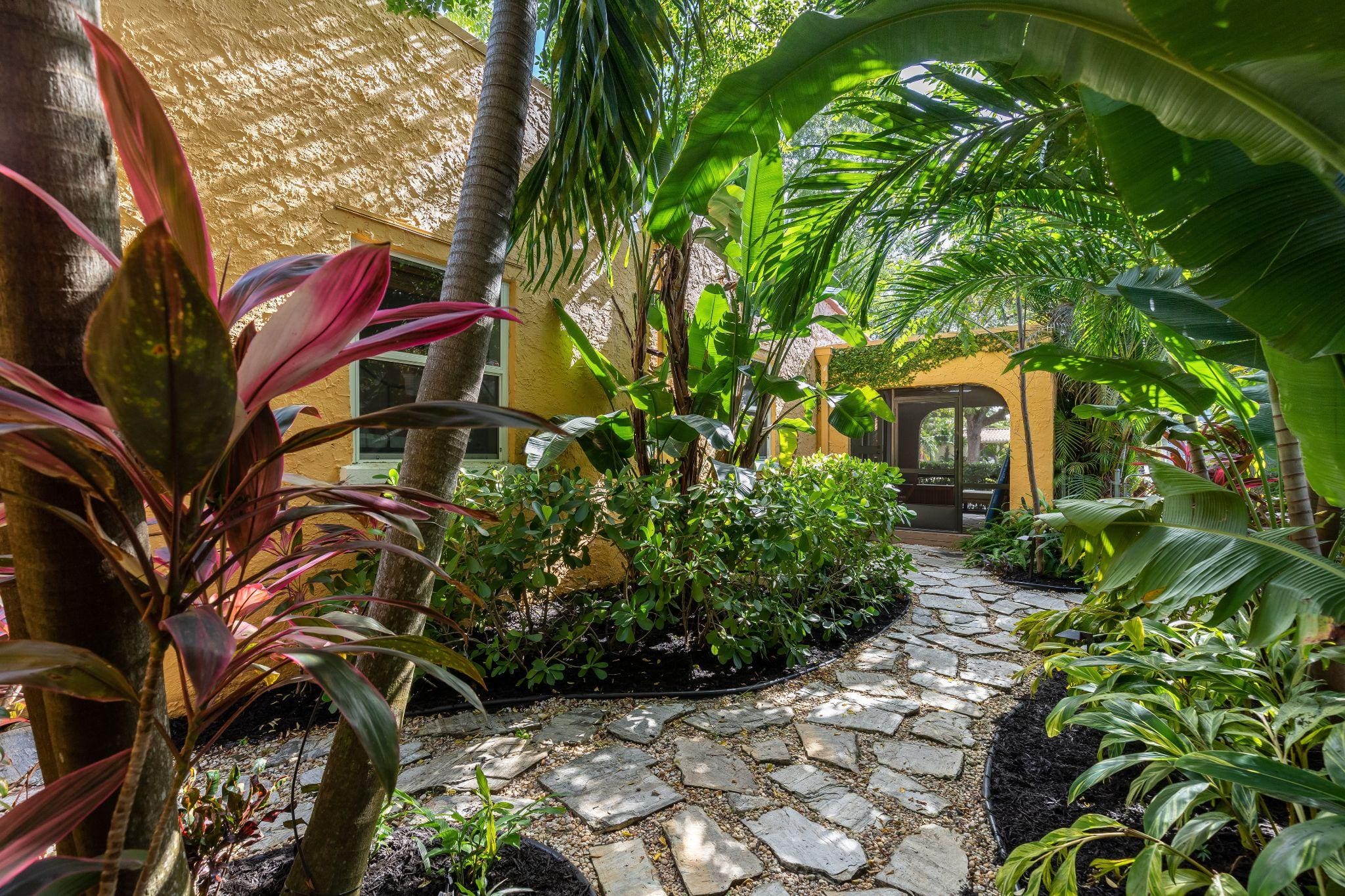
Florida landscaping problems shape many important decisions for Gainesville home and business owners. Heat, humidity, quick storms, and shifting shade patterns can take a toll. If you know what to expect, you avoid common landscaping mistakes and keep projects on track.
Rapid Storms & Sandy Soil
Quick downpours push water across the surface, often leading to erosion or pooling. Sandy areas drain rapidly, which can leave plants thirsty, while pockets of clay hold water near roots, potentially causing root rot. This mix of soil types and rapid drainage leads to common landscaping mistakes like planting low-water species in soggy zones or grading soil toward the house, which can direct water into foundations. It’s crucial to map the wet and dry spots after storms and plan paths for water to move efficiently away from structures and towards areas where it can be absorbed effectively.
Heat, Humidity, & Drought
Long, humid summers stress out plants, making them more susceptible to disease and pests. Then, late-season dry spells frequently arrive, challenging plant survival further. Landscaping mistakes here include shallow watering, which encourages surface roots and makes plants more vulnerable to drought, and midday irrigation that evaporates before roots get a sufficient drink. Deep, less frequent watering helps roots reach cooler, more consistent soil temperatures and moisture levels. Early morning run times limit waste due to evaporation and allow plants to absorb water before the heat of the day.
Pests, Weeds, & Diseases
Warm weather provides ideal conditions for the proliferation of insects, fungus, and aggressive weeds. Landscaping mistakes appear when you feed plants too much nitrogen, which can promote lush, tender growth that attracts pests, or water late at night, which can invite fungal problems due to prolonged leaf wetness. Choosing resilient, native species that are naturally adapted to the local climate and resistant to common pests is key. Keeping mulch tidy reduces hiding spots for pests and helps suppress weed growth.
Shade Patterns & Tree Roots
Large oaks and pines create dynamic and shifting light patterns throughout the day and year, impacting plant growth. Their extensive root systems also compete aggressively for water and nutrients, and can crowd planting beds, making it difficult for other plants to thrive. Landscaping mistakes include placing sun-loving flowers under dense tree canopies or setting edging too close to feeder roots, which can damage the tree and limit plant growth. It’s essential to track sun and shade patterns for at least a week before you plant to ensure the right plant is in the right place.
Rules, Utilities, & Setbacks
Homeowners Association (HOA) guidelines, public right-of-way zones, and buried utility lines significantly limit what you can build or plant on your property. Landscaping mistakes occur when a fence, hedge, or irrigation pipe ends up in the wrong place, potentially leading to fines, damage, or safety hazards. Always check local rules and regulations, and crucially, call 811 (or your local equivalent) before you dig to identify and avoid buried lines. This ensures your landscape layout stays safe, compliant, and avoids costly repairs.
Gainesville Landscaping Tips To Prevent Everyday Landscaping Mistakes
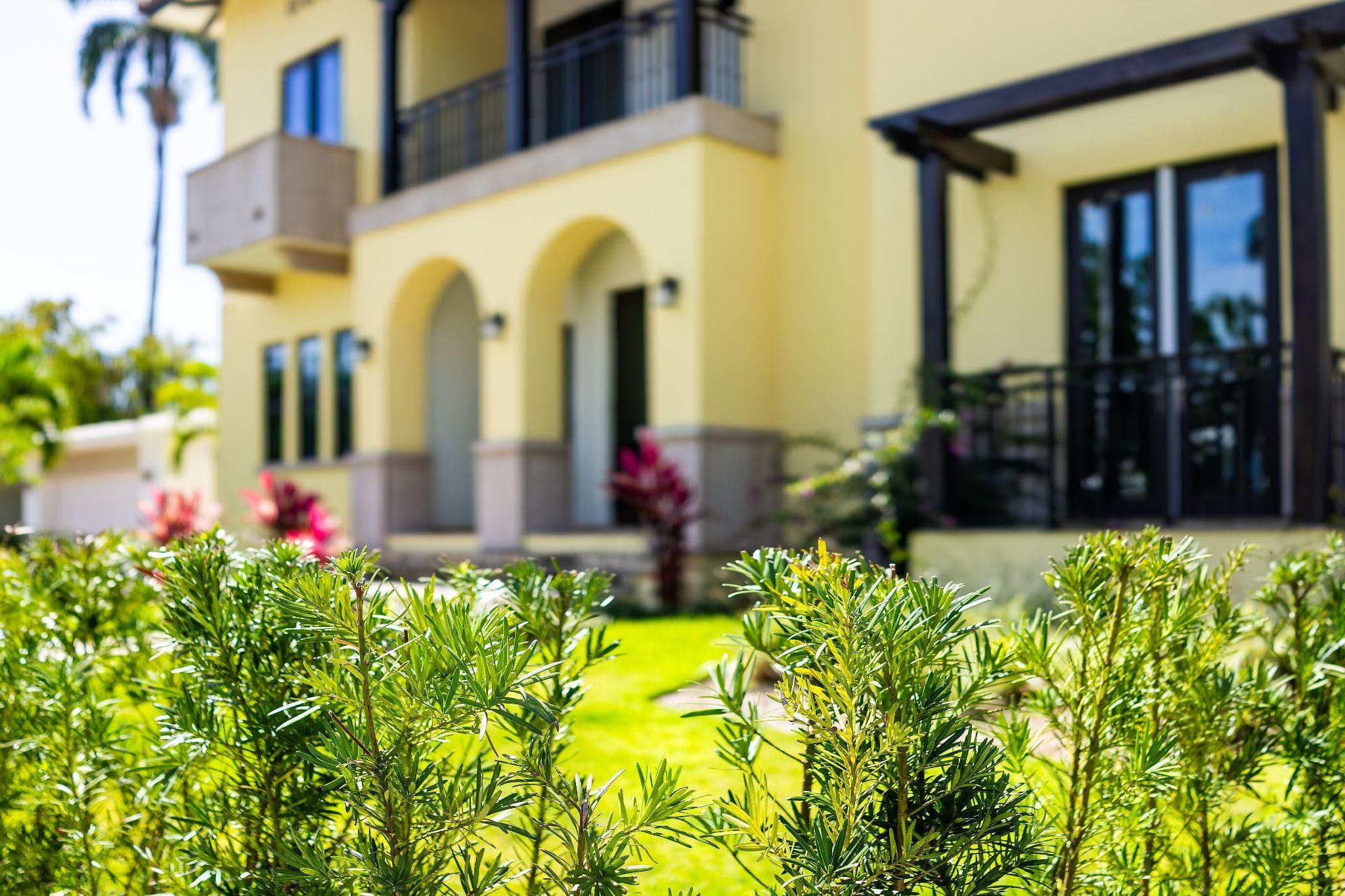
Gainesville landscaping tips work best when you apply them in a clear order. Start with water, then plants, then use of space. This sequence avoids many landscaping mistakes and keeps future choices simple.
A Quick Checklist of Gainesville Landscaping Tips
– Walk your yard after rain. Flag low spots to avoid drainage-related landscaping mistakes.
– Note sun, shade, and wind for one week. Place plants where they match those conditions.
– Group plants by water needs. This solves watering-related landscaping mistakes.
– Test irrigation zones. Fix leaks and aim heads away from hardscapes.
– Choose native or Florida-friendly species. This prevents common landscaping mistakes tied to plant stress.
– Space for mature size. Give hedges and trees the room they need.
– Use 2–3 inches of mulch. Keep it off trunks to avoid rot.
– Create routes for movement. Paths stop trampling and reduce turf compaction.
– Plan maintenance. Short, regular sessions prevent small landscaping mistakes from growing.
– Keep records. Photos and notes help you improve each season.
Mistake 1 – Ignoring Drainage
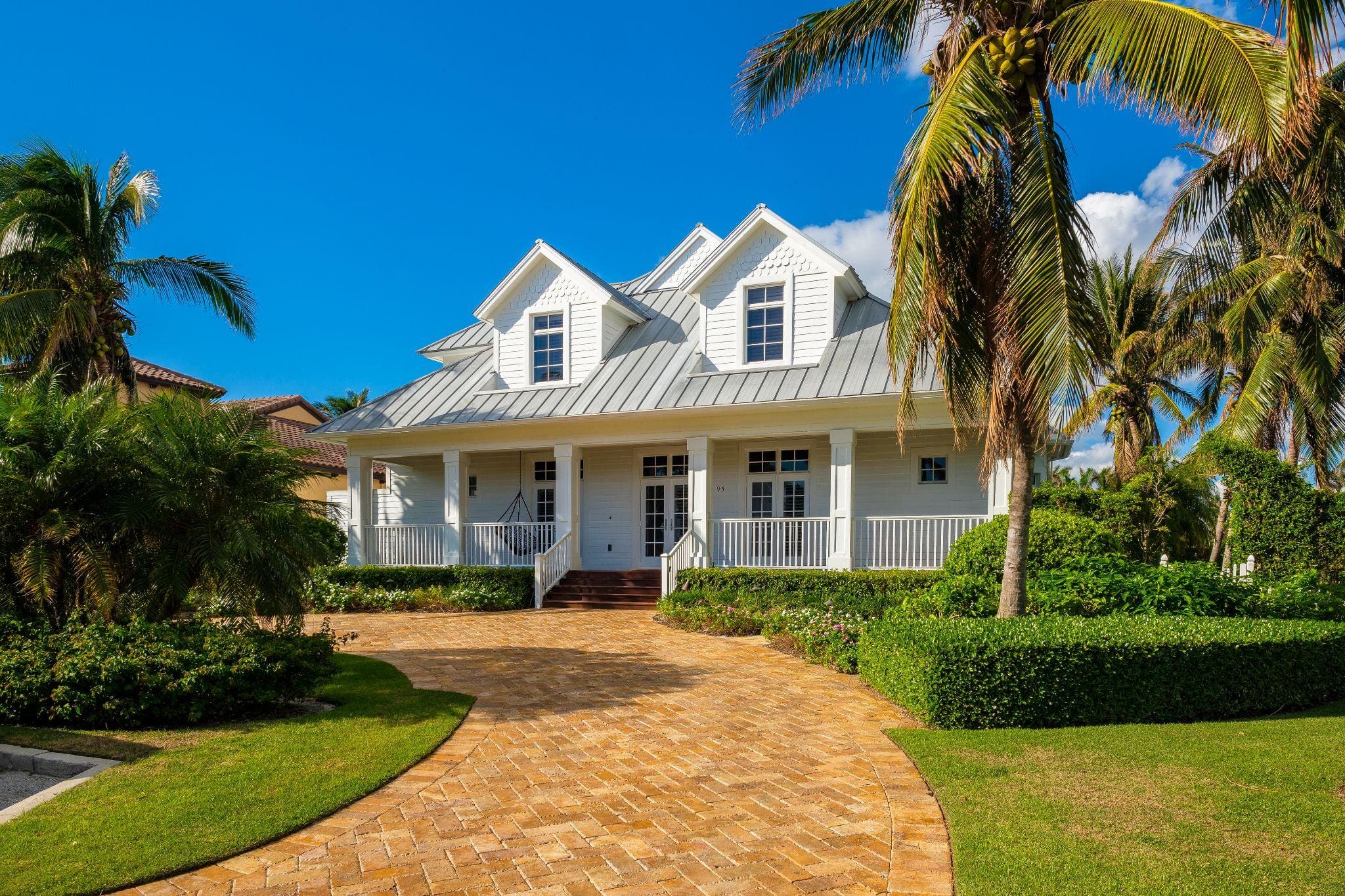
Landscaping mistakes often begin with water that sits where it should not. Gainesville gets sudden rain, so water needs a place to go. If it cannot move, plants suffocate, pavers shift, and mosquitoes move in.
Signs Of Trouble
Look for puddles that linger a day after rain, peeling mulch, soil eroding from beds, or water pooling near the foundation. These signs point to landscaping mistakes you can correct with small grading changes.
Fixes You Can Put In Place
– Regrade to create a gentle slope away from structures.
– Add swales to guide water between beds.
– Use river rock in flow paths to slow runoff.
– Consider a rain garden in a low area.
– Choose permeable pavers where possible.
– Good drainage prevents many landscaping mistakes before they start.
When in doubt, watch your yard during a storm. The water will tell you where it wants to go.
Mistake 2 – Planting Non-Natives
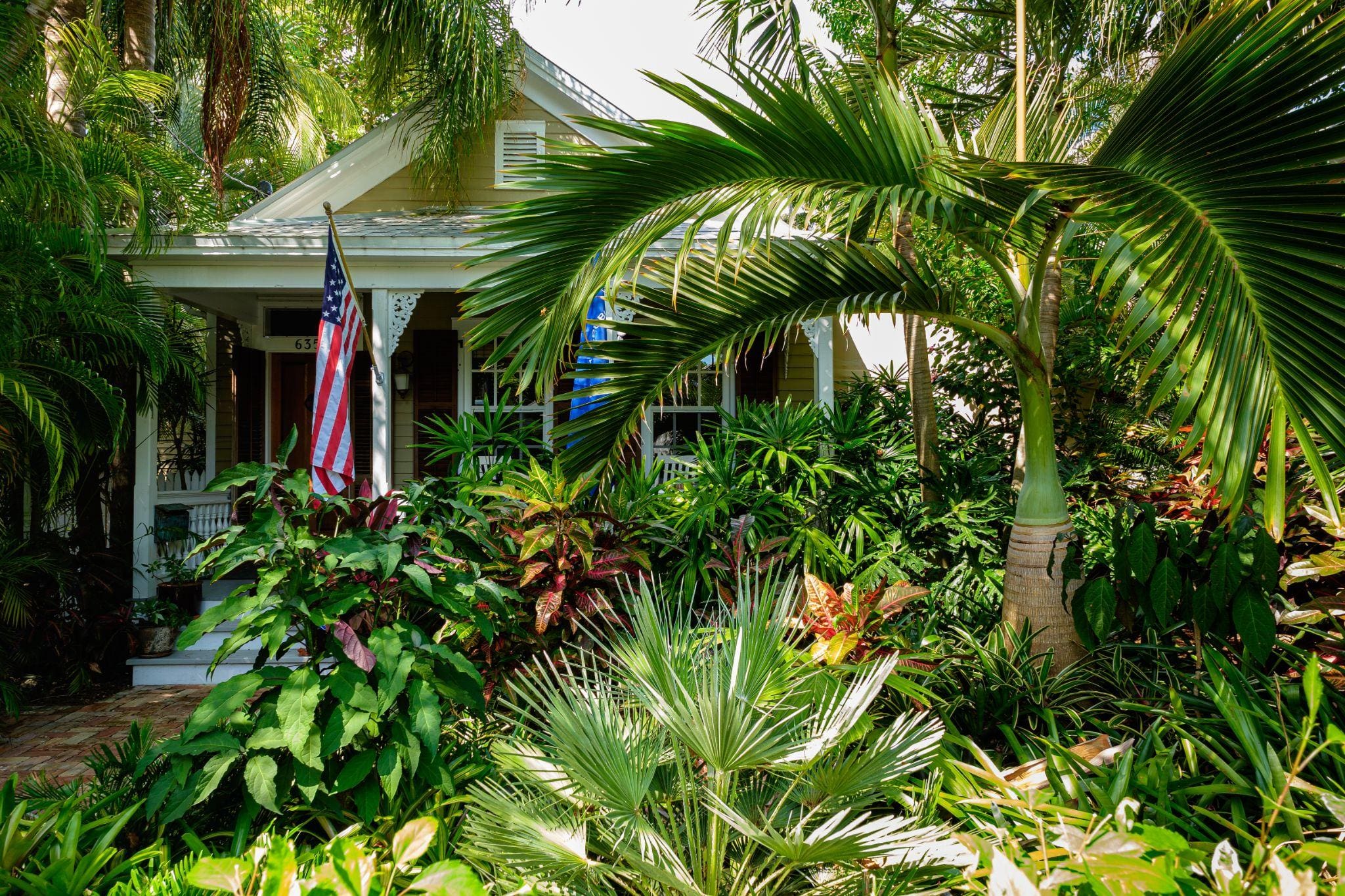
Attractive plants in the store may struggle in local conditions. This leads to mistakes like high water use and frequent replacements. Gainesville benefits from species that handle heat, sandy soils, and seasonal rain.
Reliable Gainesville-Friendly Choices
Look for native or Florida-friendly plants with strong track records. Consider muhly grass for airiness and fall color, coontie for sturdy texture, yaupon holly for structure, Simpson’s stopper for screening, and dwarf yaupon for low borders. Matching plant to place helps you avoid repeated landscaping mistakes and supports local wildlife.
Mistake 3 – Overcrowding Plants
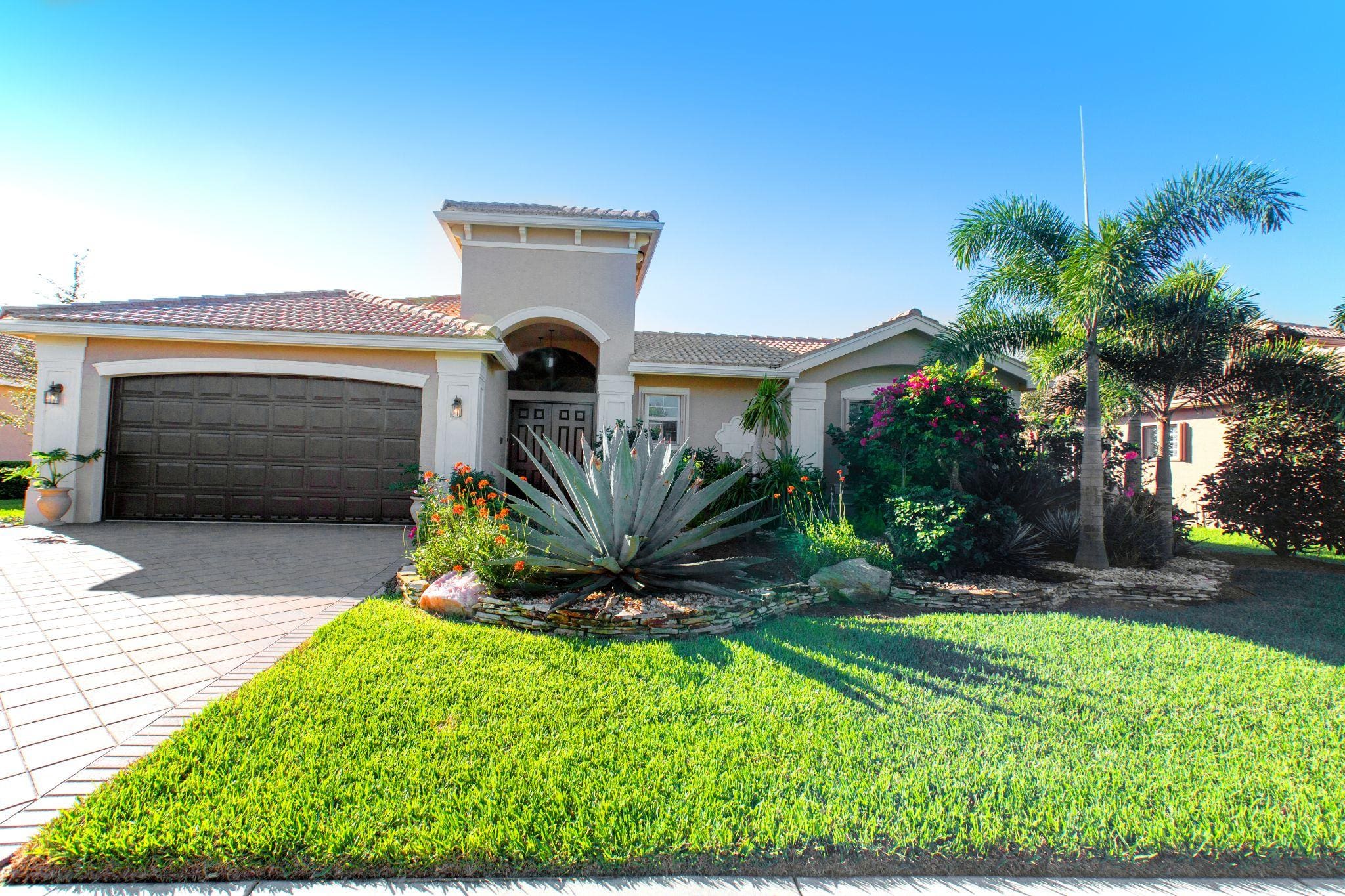
Tight spacing looks full at install day but creates long-term landscaping mistakes. Crowded roots compete for water and nutrients. Airflow drops, which encourages disease. Hedges grow into sidewalks and driveways, which invites constant pruning.
Spacing Rules Of Thumb
Check the mature width on the tag or a reputable plant guide. Space shrubs at two-thirds of their mature width to allow a solid screen without choking growth. Give trees extra room away from structures and power lines. This small step prevents avoidable landscaping mistakes and reduces pruning hours.
Where Overcrowding Shows Up
Privacy screens, foundation beds, and pool borders often get packed. Leave a service gap behind hedges so you can access irrigation and walls. This habit reduces many recurring landscaping mistakes.
Mistake 4 – Forgetting Function
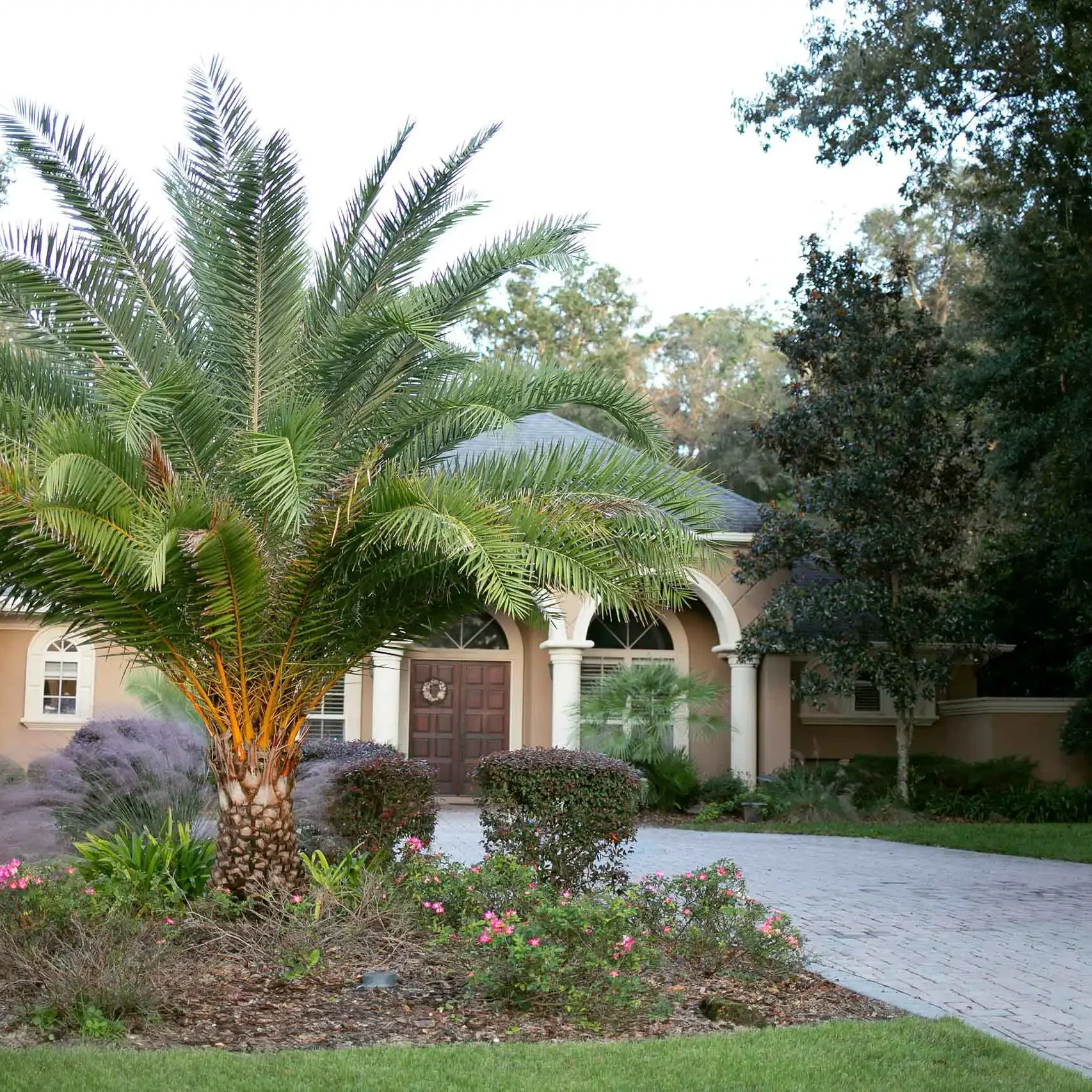
Pretty spaces that are hard to use lead to daily frustration. Ignoring how you move, gather, and rest creates lasting landscaping mistakes.
Design For Daily Life
List your routines: morning coffee spot, kids’ play zone, pet paths, grill area, and trash can route. Then assign each a home. You avoid common landscaping mistakes like stepping stones placed too far apart or a patio that lacks shade at the time you sit outside.
Common Functional Zones
– Entry and welcome area
– Paths that connect doors, sheds, and gates
– Seating with afternoon shade
– Grill and prep space with wind protection
– A small utility zone for bins and storage
Align these zones with your habits. You will reduce conflicts and cut down on costly landscaping mistakes.
Mistake 5 – Poor Maintenance Planning
Skipping upkeep causes small issues to snowball. The result is a rush of landscaping mistakes that take multiple weekends to fix.
A Simple Seasonal Plan
- Weekly: Walk the yard. Remove weeds while small. Check irrigation heads.
- Monthly: Edge beds, refresh mulch where thin, and inspect for pests.
- Seasonally: Prune at the right time for each plant. Service irrigation before hot months. Adjust timers with daylight changes.
Irrigation & Mulch Checks
Set run times so the top 6–8 inches of soil get wet. Water early morning to limit loss. Keep 2–3 inches of mulch in beds and pull it back from trunks by a few inches. These habits prevent common landscaping mistakes like root rot, fungus issues, and dry pockets around new plants.
How SkyFrog Landscape Helps You Avoid Landscaping Mistakes
You want a yard that works day after day. You also want guidance you can trust. SkyFrog Landscape builds each plan around clear communication, steady problem-solving, and careful pacing. That focus helps you prevent common landscaping mistakes and fix the ones already in place.
What You Can Expect
- Communication: You get regular updates, plain language, and quick responses. This clarity reduces avoidable landscaping mistakes during design and build.
- How Problems Are Handled: You get a calm approach and practical fixes when issues arise. The goal is durable solutions, not quick patches.
- Quality Over Quantity: You get thoughtful sequencing and clean workmanship. That keeps landscaping mistakes from slipping into the details.
SkyFrog Landscape aims to make every client a forever client. Jason values long-term relationships. That shows up in scheduling, site cleanup, and the way your yard is treated over time. When you are ready for a plan or need help tuning an existing yard, explore our design services and maintenance services. If you want a next step that fits your budget and timing, contact us and get started.