
Gainesville’s weather swings from heavy downpours to dry, parched weeks. When watering rules tighten, lawns show stress first, and many homeowners watch their landscapes fade faster than expected. These extremes make efficient design essential. That is where water-wise landscaping becomes a practical, long-term solution.
A water-wise approach reduces irrigation needs without sacrificing curb appeal. It protects nearby creeks from runoff, lowers monthly bills, and builds a yard that stays healthy even when the rain stops. Rather than relying on constant watering, a Gainesville water conservation landscape works in harmony with natural rainfall patterns and soil conditions.
By planning with local weather in mind, you can create an outdoor space that is both beautiful and sustainable. Water-wise landscaping is not about giving up greenery—it is about using every drop wisely.
Drought-Tolerant Landscaping in Florida
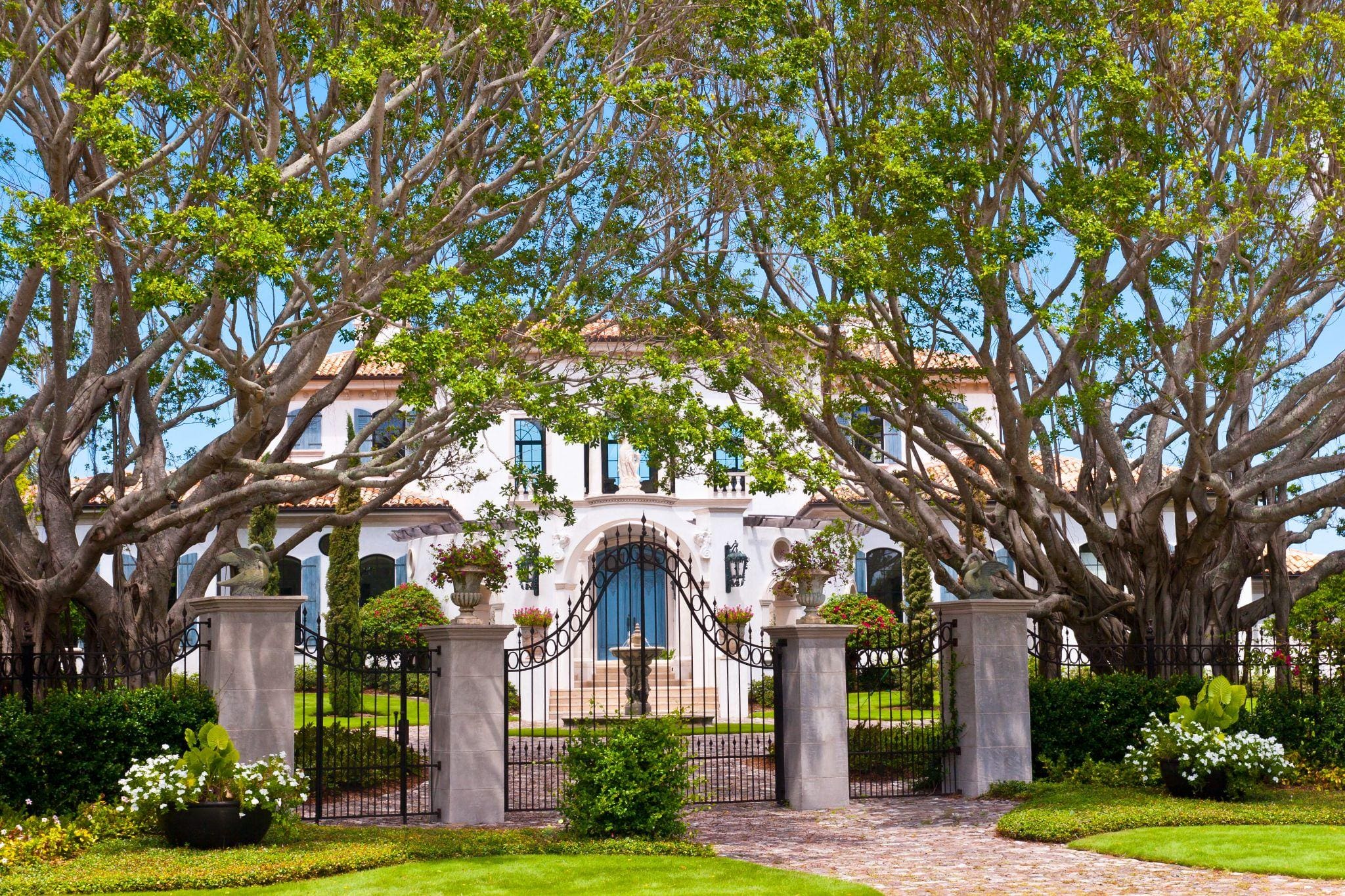
North Florida’s alternating wet and dry seasons pose a challenge even to skilled gardeners. During drought periods, local regulations often limit the days and hours for watering. Traditional lawns and shallow-rooted ornamentals wilt under these rules. Water-wise landscaping eases that pressure by aligning design with Gainesville’s natural rhythm.
This method borrows principles from drought-tolerant landscaping that Florida homeowners have adopted for decades. The goal is simple: match plant type, soil, and light exposure so that irrigation supports rather than replaces natural rainfall. The result is a yard that looks lively but uses significantly less water.
By installing the right system, improving soil health, and focusing on hardy species, your landscape will recover more quickly after heatwaves and require less attention year-round. The process starts with smart irrigation.
Idea 1: Efficient Irrigation for Long-Term Results
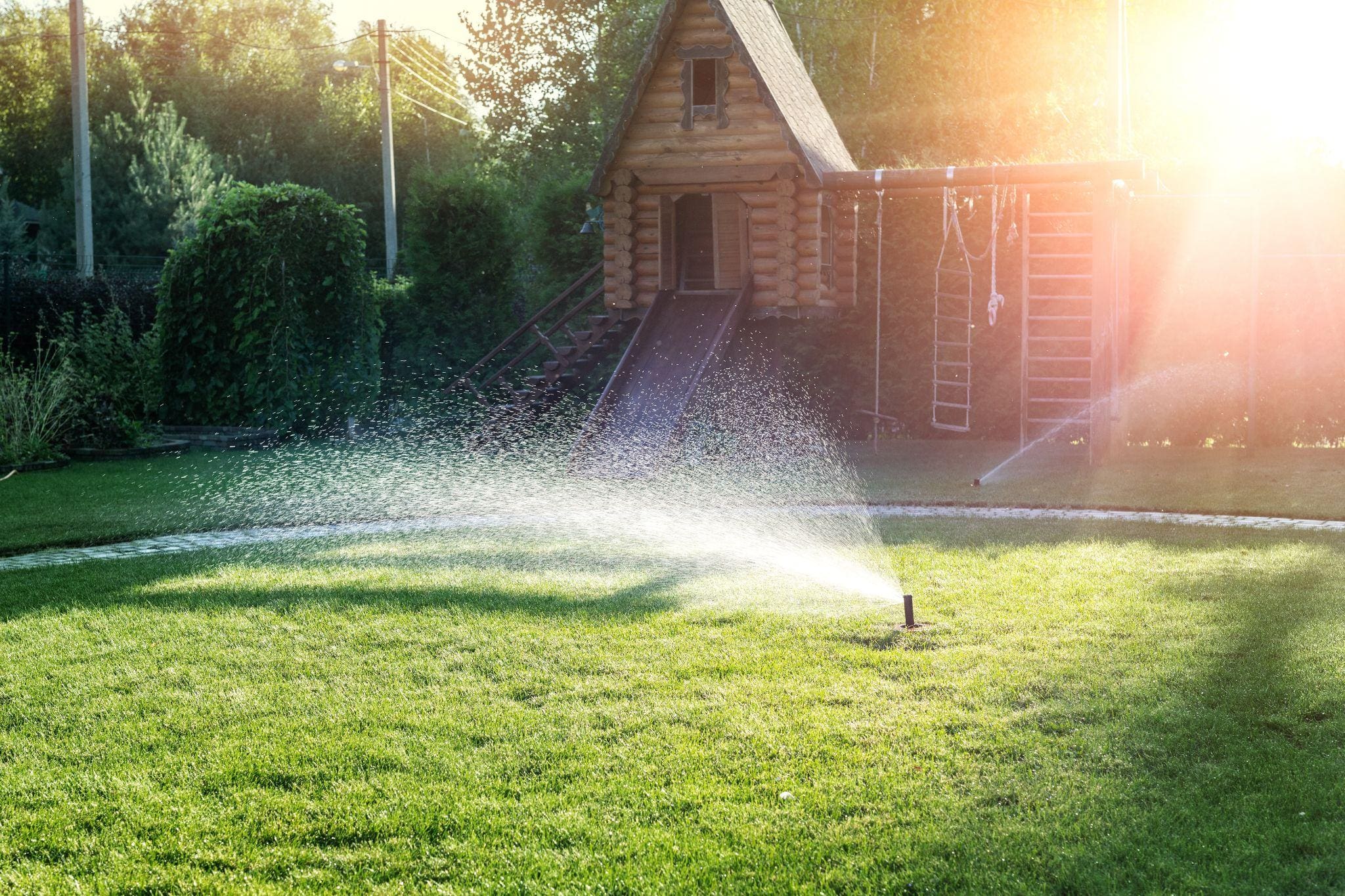
Smart watering forms the backbone of any water-wise landscape. In Gainesville, where a thunderstorm can follow a dry week, precision makes the difference between thriving beds and wasted runoff.
Drip irrigation delivers water directly to the roots, preventing loss due to wind or evaporation. Micro-sprayers are particularly helpful in narrow or densely planted areas, while high-efficiency nozzles distribute moisture evenly across the turf. A smart controller connects these systems to weather data, adjusting run times automatically after rain or temperature changes. This technology is essential for maintaining a genuine Gainesville water conservation landscape.
Each irrigation zone should operate on a schedule tailored to its specific plantings. Longer, less frequent cycles encourage roots to grow deeper, while rain or soil sensors automatically stop watering when sufficient moisture is provided by nature. Over time, these practices strengthen plants and reduce overall water use.
Homeowners who want professional calibration can visit SkyFrog’s Sprinklers and Irrigation Services page to explore efficient system upgrades that match local soil and slope.
Idea 2: Xeriscape Zones that Combine Beauty and Purpose
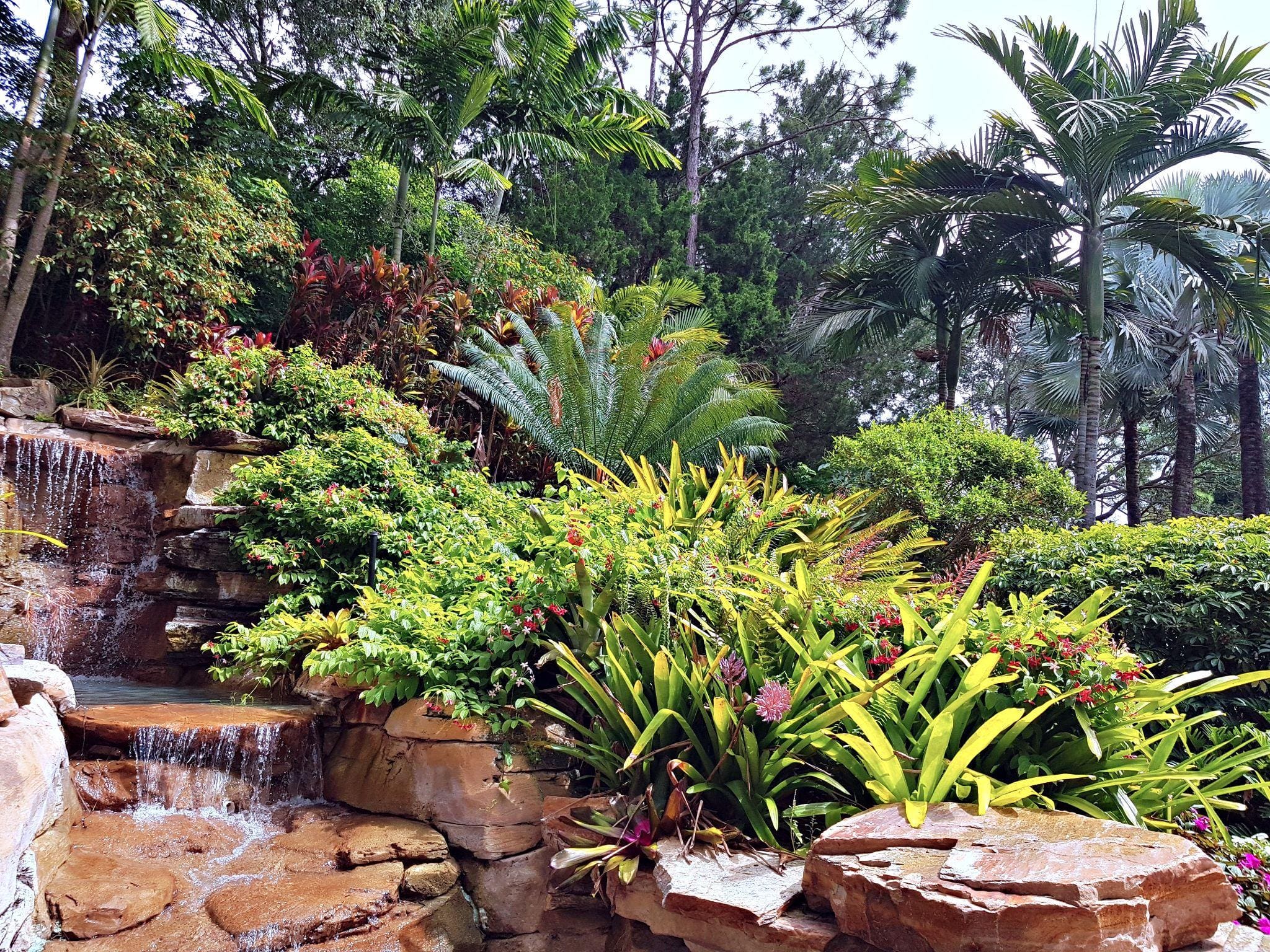
Xeriscaping fits naturally within water-wise landscaping. The concept is not about gravel yards—it is about thoughtful zoning. Gainesville’s sunlight and humidity patterns vary from one corner of a property to another, so dividing the yard into irrigation zones keeps water use efficient.
Start close to the house, focusing on areas that receive the most activity, such as seating spaces, play zones, or entrances. These spaces can host plants that prefer consistent watering. As you move outward, select hardy shrubs, ornamental grasses, and native species that thrive with little attention. This gradual transition maintains comfort near the home while reducing irrigation in outer areas.
Pathways and patios made with pervious materials—such as gravel, open-joint pavers, or crushed shell—allow rain to soak into the soil instead of running off. Raised beds can help in low spots where standing water collects after storms. Together, these features create a layered, natural design that effectively manages moisture.
If you want expert guidance on mapping zones or selecting materials, SkyFrog’s Landscape Design
team can help craft a plan that balances form and function. For homeowners enhancing patios or walkways, the Outdoor Living section shows how structural elements support water-saving design.
Idea 3: Mulching and Soil Techniques that Preserve Moisture
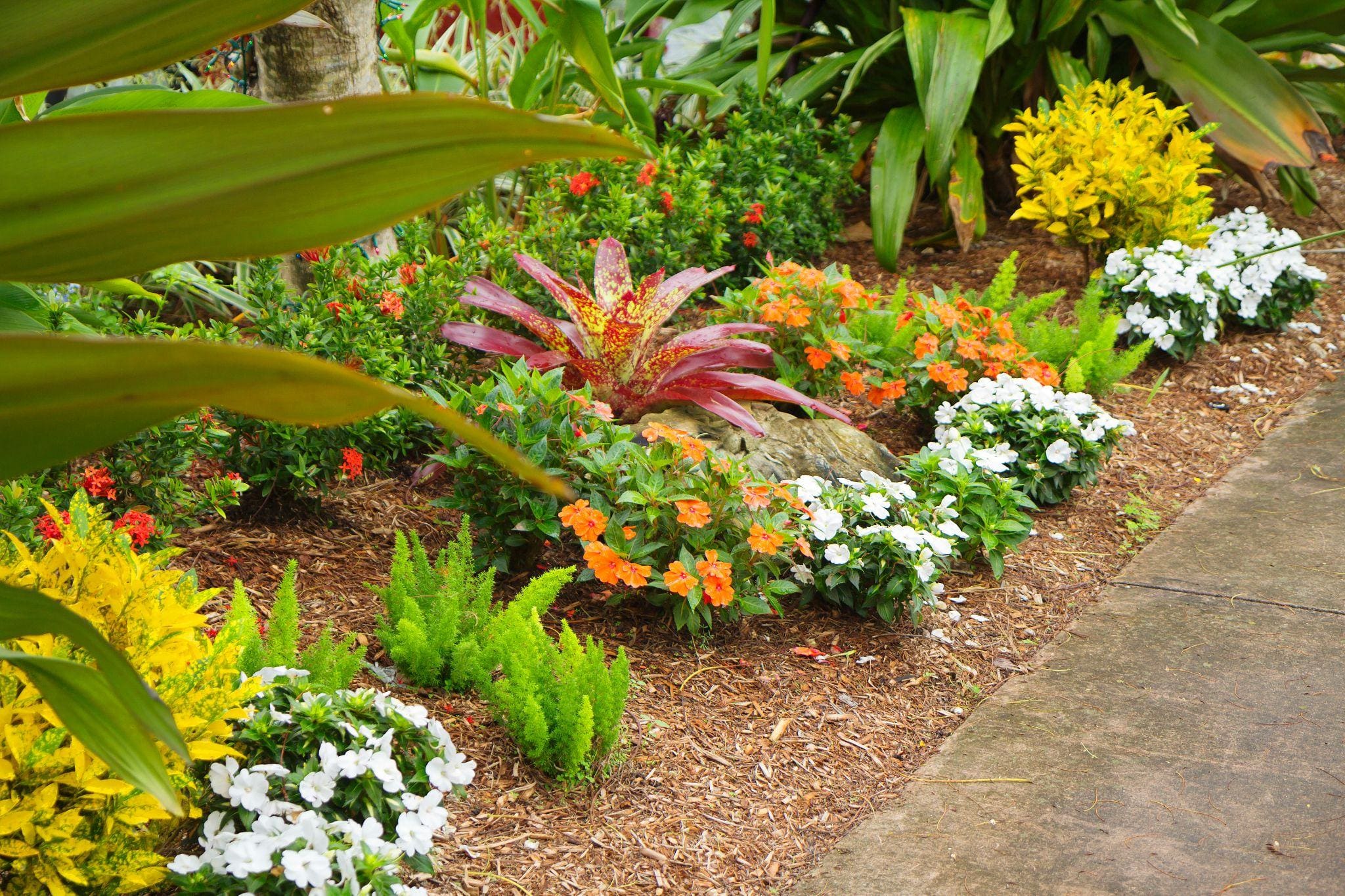
Mulch is the quiet engine of water-wise landscaping. A consistent layer, two to three inches thick, shields the soil from the sun, reduces evaporation, and moderates temperature. In Gainesville, natural options such as pine straw, shredded hardwood, or leaf mold are most effective. Each spring, refresh areas where coverage has thinned, and always keep mulch slightly away from plant stems to prevent decay.
Coarser mulch holds better in windy locations, while finer material works well in shaded or sheltered beds. Compost topdressing in sparse turf zones enhances water absorption and maintains soil health with organic matter. Deep, healthy soil allows roots to store moisture and ride out droughts more easily.
Before installing or upgrading irrigation systems, aerate compacted sections to allow water to reach the root zone. Combined with smart watering, these steps reduce runoff and help establish a resilient Gainesville water conservation landscape.
Ongoing maintenance plays a major role in long-term savings. To keep beds clean and coverage consistent, SkyFrog’s Landscape Maintenance service offers seasonal care tailored to Gainesville’s specific conditions.
Idea 4: Drought-Tolerant Plants that Thrive in North Florida
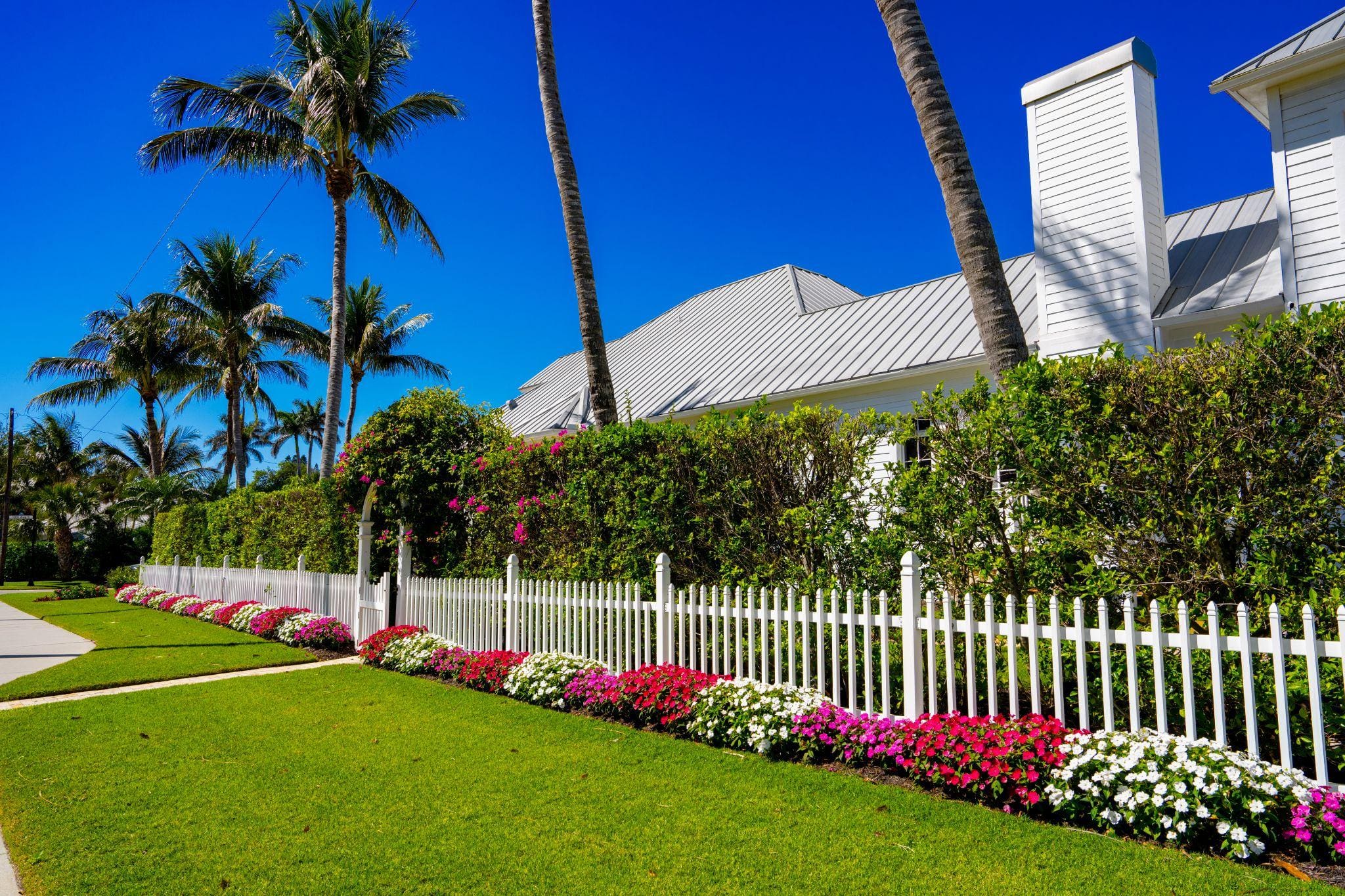
Plant choice gives water-wise landscaping its color and character. Gainesville’s climate supports a wide range of natives and well-adapted ornamentals that deliver both performance and beauty without heavy irrigation.
Muhly grass provides feathery texture and striking pink plumes each fall, thriving in full sun with minimal care. Blanket flower, a Florida native, blooms through much of the year and attracts butterflies while tolerating sandy soil. Coontie, one of Florida’s oldest native cycads, holds glossy green fronds through drought and cool weather alike.
Yaupon holly and its dwarf cultivar ‘Schilling’s’ add structure and screening potential. Beautyberry offers bright purple clusters that appear each autumn and draw local songbirds. Sunshine mimosa creates a soft, low groundcover that can handle light foot traffic. Southern wax myrtle completes the palette with evergreen form and adaptability to both wet and dry areas.
These species define the look of drought-tolerant landscaping that Florida homeowners are proud to showcase. When planted according to light and soil needs, they create living proof that conservation can be colorful.
To explore layout inspiration that combines native plants with design flair, see SkyFrog’s 10 Gainesville Landscaping Ideas. It demonstrates how sustainable planting meets standout style.
Idea 5: Rain Gardens and Barrels for Everyday Use
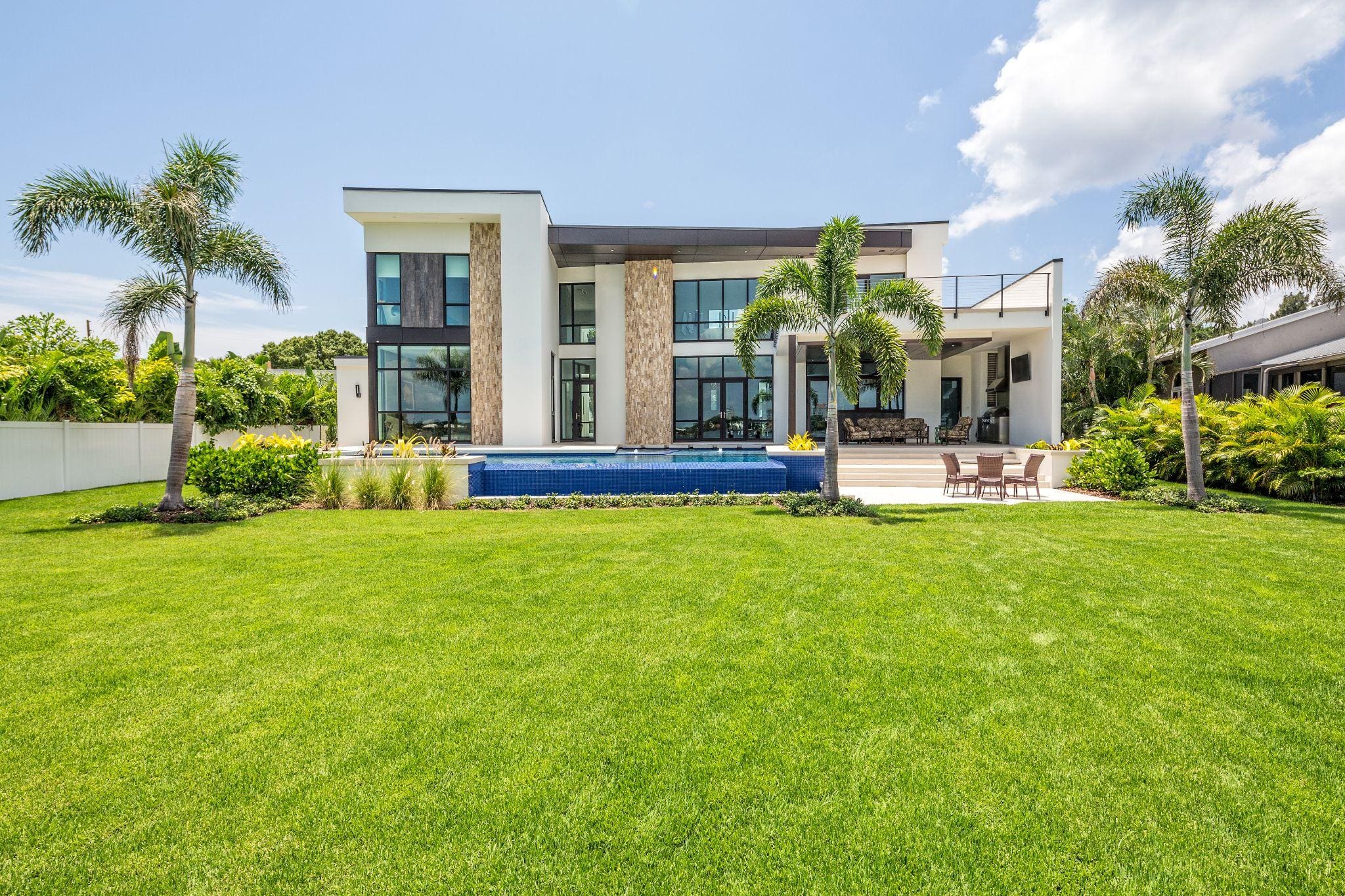
Stormwater can be a valuable ally when managed effectively. A rain garden transforms runoff into a slow-soaking reservoir that supports deep-rooted plants. To build one, identify a low area away from the house, shape a shallow basin, and fill it with species that tolerate both flooding and drought. Blue flag iris, soft rush, and swamp milkweed are dependable choices.
A rain barrel positioned under a downspout complements the setup. It stores roof runoff for later use and provides a free water source during dry periods. A screened lid keeps debris out and prevents mosquito breeding, while an overflow outlet can direct excess water into the rain garden during major storms.
Together, these systems embody the purpose of water-wise landscaping. They conserve resources, prevent erosion, and convert rainfall into a useful resource instead of a wasteful one. Simple monthly maintenance—rinsing the barrel screen, checking hose connections, reshaping the basin edge—keeps them effective for years.
How Efficient Landscapers Keep Your Project On Track
Good design helps only when the process runs smoothly. Homeowners say steady updates matter, so you get clear communication from start to finish. You know who to call, when crews arrive, and what step comes next. That steady contact makes decisions easier and keeps the schedule realistic.
When something unexpected happens—a broken line, a plant shipment delay—you get options, not excuses. You hear the tradeoffs and costs in plain terms. You choose the path that fits your goals. That practical approach protects the plan and respects your budget.
You also get a team that values quality over quantity. Each crew focuses on details like emitter placement and soil prep. That care shows in the way the yard handles the first summer heat wave. The goal remains simple: to make every client a lifelong client. With trust and steady service in place, your water-wise landscaping keeps paying off for years.
Next Steps For A Resilient Yard
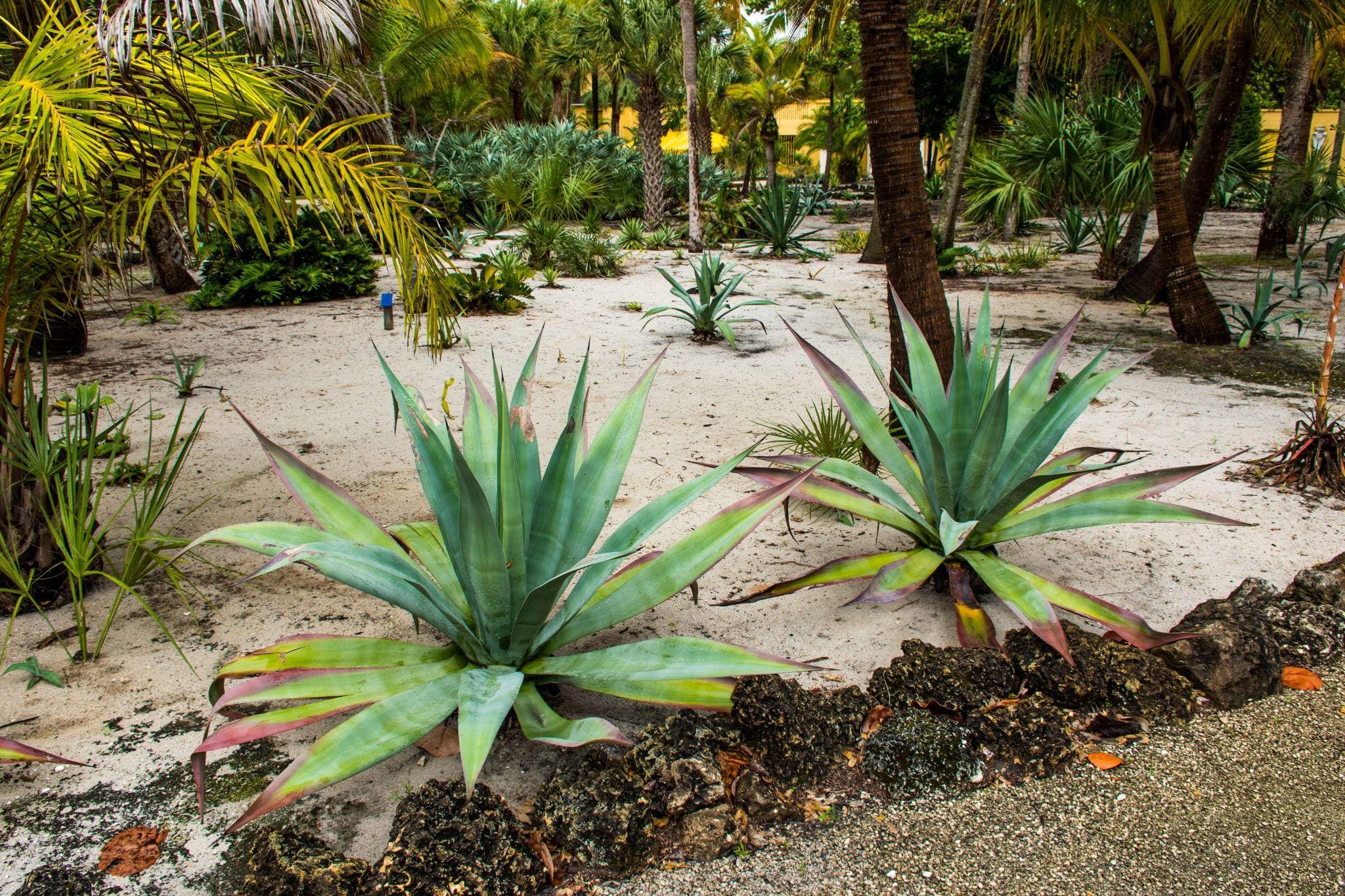
Your yard can save water and still feel inviting. With water-wise landscaping, you plan for Gainesville’s weather and establish routines that hold up month after month. Select an irrigation system that matches the plant’s needs and utilizes sensors to pause cycles after rainfall automatically. Group plants by water use, lay down mulch, and place rain features where they are most effective. With a few strategic moves today, you can create a landscape that suits your life and supports the community.
Ready to plan your yard with local conditions in mind? If you want guidance that respects your time and budget, you can get it. Contact us and take the first step today.