
Gainesville’s climate has a rhythm all its own. Long, humid summers, sudden rainstorms, and cool winter spells make it both fertile and unpredictable. Homeowners who want a landscape that thrives year-round must think seasonally, choosing plants that match local conditions rather than fighting against them.
This Gainesville gardening guide highlights the best plants for Gainesville, FL, organized by season. It offers practical insight into selecting, planting, and maintaining the right mix of shrubs, perennials, and evergreens that keep color and structure in every month. Whether you’re a new homeowner or an experienced gardener, understanding how to use Florida seasonal plants strategically will transform your yard from high-maintenance to high-reward.
For more inspiration on how to create a cohesive outdoor layout, explore our 10 Gainesville Landscaping Ideas that pair beautifully with these seasonal planting tips.
Why Gainesville’s Climate Demands a Seasonal Strategy
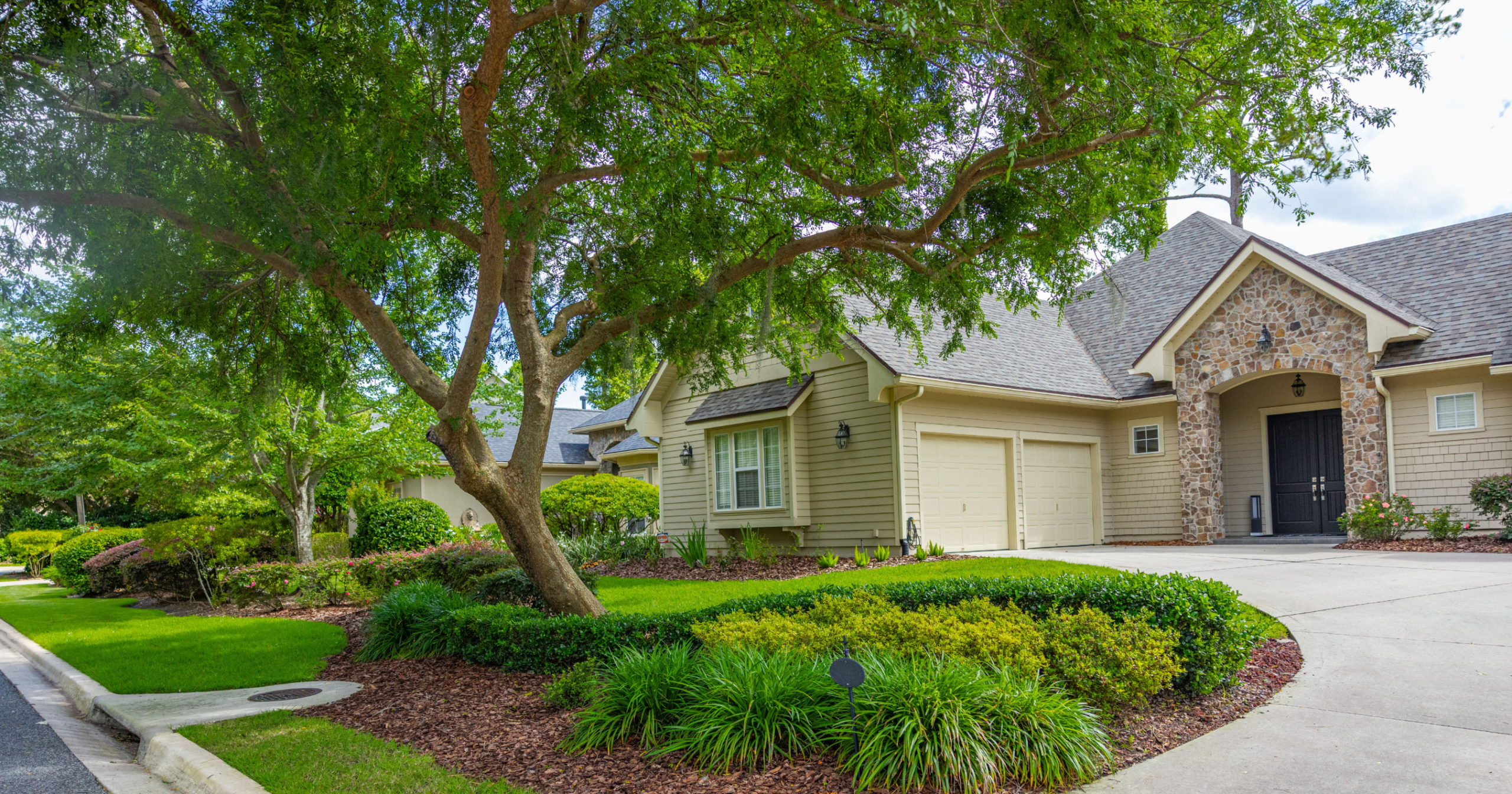
Gainesville is located in USDA Zone 9a, a region where temperatures can fluctuate dramatically. Hot, humid summers give way to cool, sometimes frosty winters. These extremes make plant selection more complex than in coastal or central Florida. Poor drainage, sandy soil, and heavy rain add to the challenge.
Without a plan tailored to the seasons, plants struggle to adapt to their environment. Roots rot in summer storms, or foliage burns under prolonged sun. The solution lies in diversity—mixing hardy natives, adaptive ornamentals, and climate-matched species across the four seasons. A thoughtful approach keeps your beds full, balanced, and easier to maintain.
Spring in Gainesville: Color and Growth Return
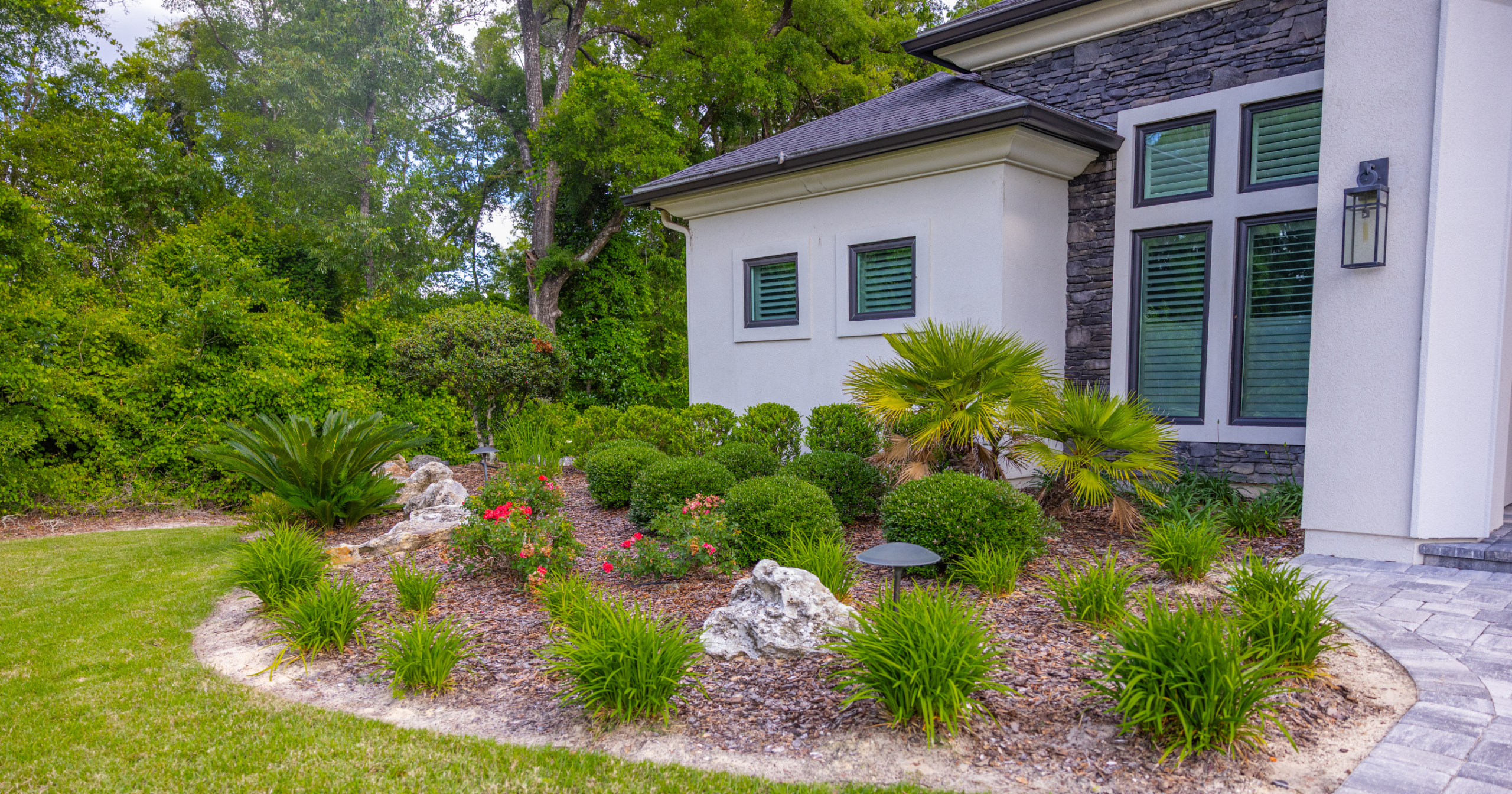
Spring in Gainesville is a time of renewal. Warm soil, longer days, and gentle rains awaken the garden, offering the perfect window for planting. It’s the season to bring color back after the cooler months and to set a foundation before summer heat arrives.
Azaleas are among the best plants for Gainesville, FL, in spring. They thrive in filtered light under pines or oaks and burst into bloom with pink, red, or white flowers. The secret to success is soil acidity—azaleas prefer slightly acidic, well-drained conditions. A top layer of pine bark mulch keeps their roots cool and moist.
Pentas are another standout for spring landscapes. These Florida seasonal plants bloom nonstop in full sun, drawing butterflies and hummingbirds. When planted in compost-enriched soil and watered thoroughly, they establish quickly and remain healthy throughout the summer. Blue salvia and coreopsis are also reliable choices, offering vibrant color with little effort.
As growth accelerates, focus on preparation. Refresh the mulch to a depth of two to three inches, check irrigation coverage, and trim any frost damage from winter. These small tasks give new plantings a strong start and prevent disease as temperatures rise.
Spring in Gainesville rewards timing. When you match plants to microclimates and moisture levels, the entire landscape responds with energy and color.
If you’d like expert help crafting the right mix of color, texture, and balance, our Landscape Design Services help you plan a yard that grows beautifully through every season.
Summer in Gainesville: Heat-Ready and Resilient
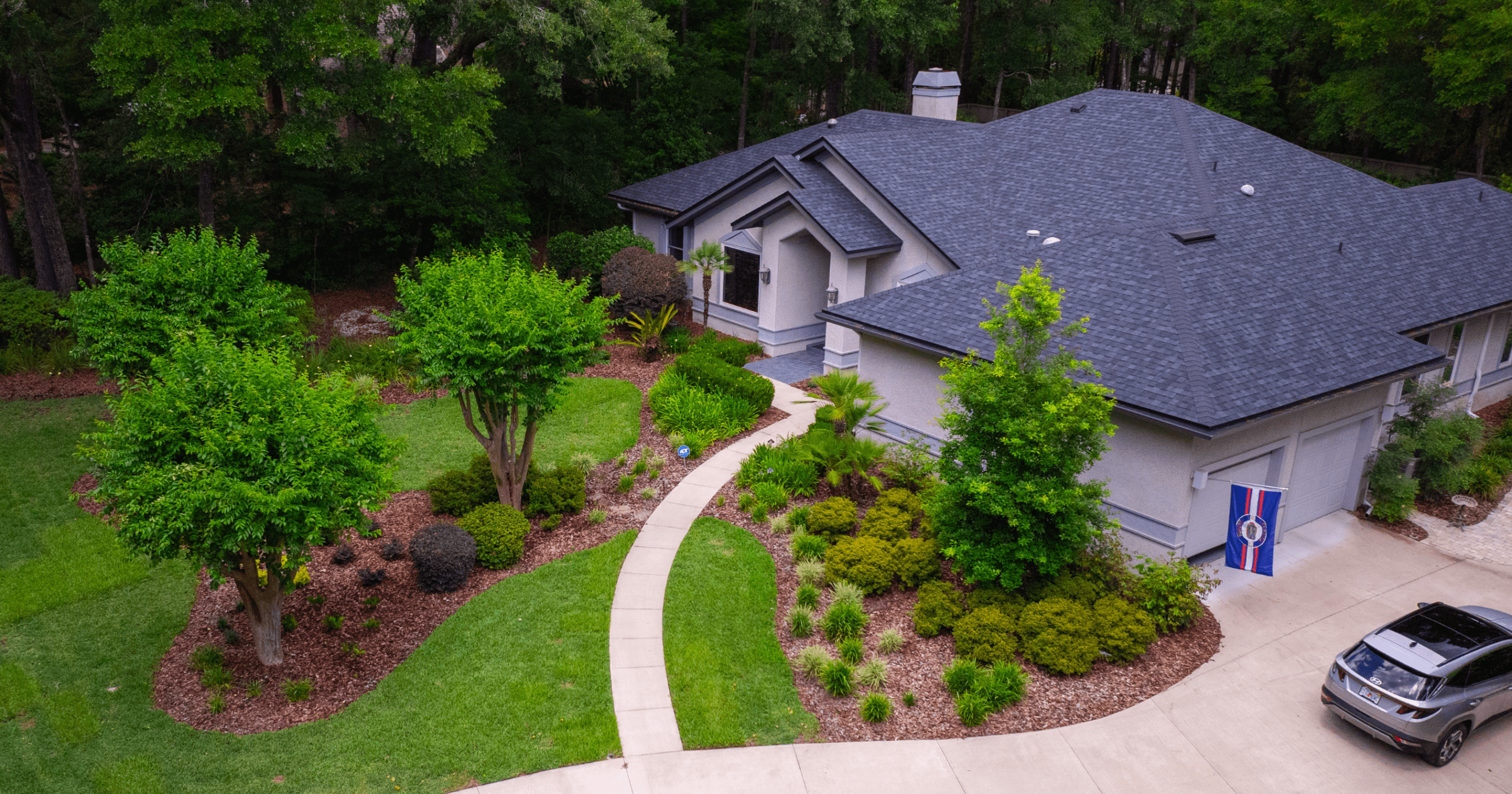
Summer brings the toughest conditions of the year—heat, humidity, and frequent storms. The right plants will survive intense sun and still deliver texture and movement through the season.
Muhly grass is one of the most dependable Florida seasonal plants for summer landscapes. Its fine, airy blades hold steady during drought and then explode into pink or purple plumes in fall. It works beautifully as a border or accent in full sun.
Lantana is another classic summer performer. This low, spreading shrub produces bright clusters of yellow, orange, and magenta while attracting pollinators. Modern sterile cultivars are best, as they stay contained and manageable.
Coontie, Florida’s only native cycad, deserves a place in every Gainesville garden. With glossy fronds and a tough root system, it tolerates both drought and heavy rain. Once established, coontie can go weeks without irrigation, making it a cornerstone of sustainable design.
During the summer months, group plants by light and water requirements. This simplifies irrigation and reduces waste. In low areas, build raised beds to prevent standing water after storms. Using soaker hoses under mulch encourages deep root growth and keeps foliage dry, which limits fungal growth during humid weather.
Summer in Gainesville is demanding, but a well-planned garden built on native, drought-tolerant selections thrives despite it. These plants not only endure the heat—they define the beauty of a Florida landscape in full swing.
To protect your plants from overwatering and summer runoff, our Sprinklers & Irrigation Specialists can set up efficient systems that keep roots hydrated and soil balanced.”
Fall in Gainesville: Planting for the Next Cycle
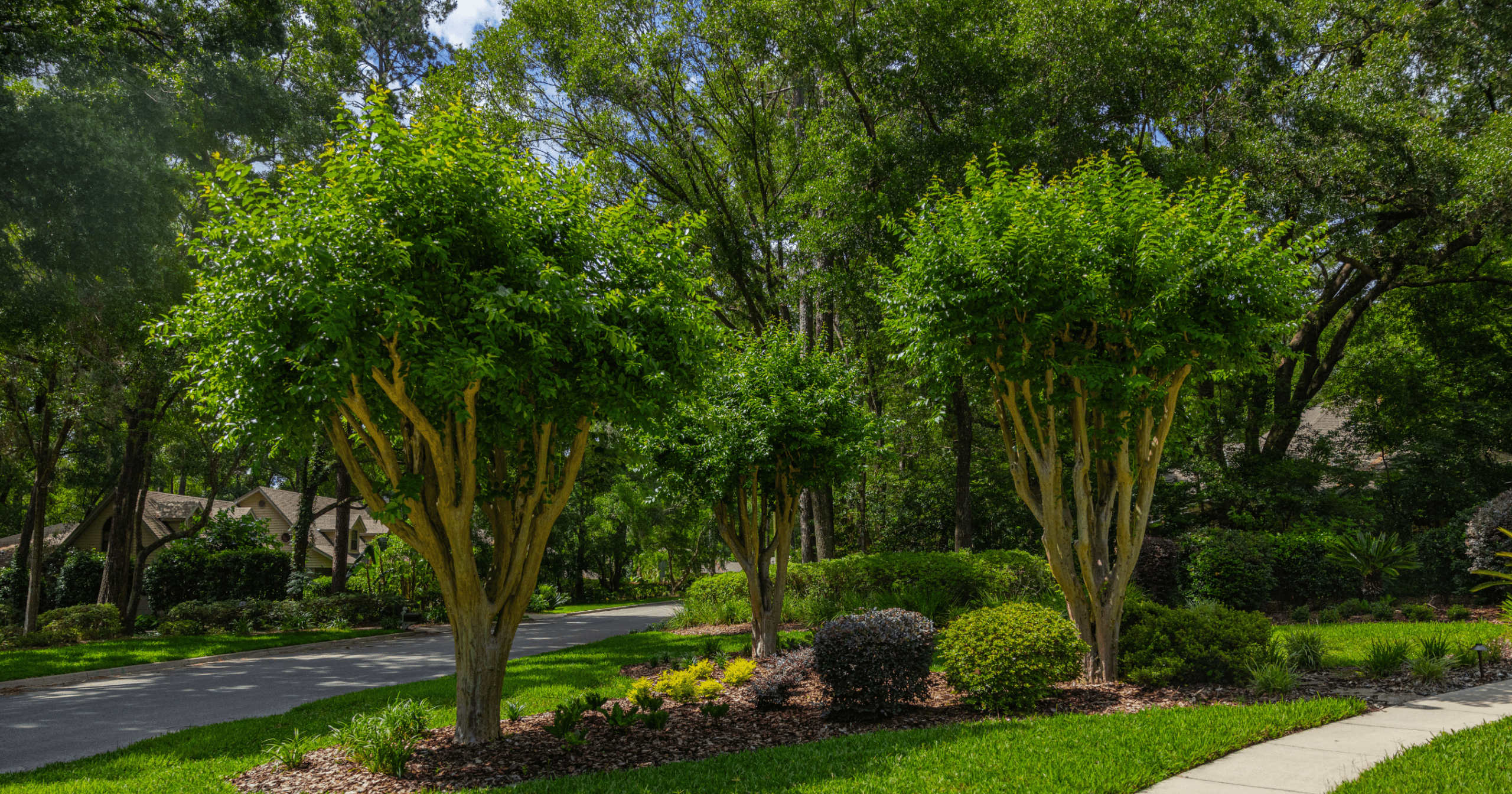
As temperatures drop and rainfall slows, fall becomes Gainesville’s most forgiving season. The soil remains warm, allowing roots to establish before winter. It’s also the ideal time to replace summer annuals, plant shrubs, and prepare the garden for cooler months ahead.
Camellias are fall favorites and easily count among the best plants for Gainesville, FL. Their buds set in autumn and bloom through winter in shades of pink, white, and red. They prefer partial shade and rich, acidic soil, making them perfect companions for pines and oaks.
Ornamental grasses, such as dwarf fakahatchee and muhly, add motion and subtle color. Their seed heads attract birds and lend structure that lasts into winter. These species epitomize Florida seasonal plants—resilient, low-maintenance, and visually dynamic.
Fall is also the right moment for garden cleanup and renewal. Trim back summer perennials, remove weak growth, and add compost to restore nutrients depleted by heavy rain. Refresh mulch to stabilize soil temperature and moisture.
This seasonal transition sets the stage for a smooth winter. When you invest a few hours in planting and preparation during the fall, your landscape will carry that health and energy into the next year.
Winter in Gainesville: Evergreen Form and Texture
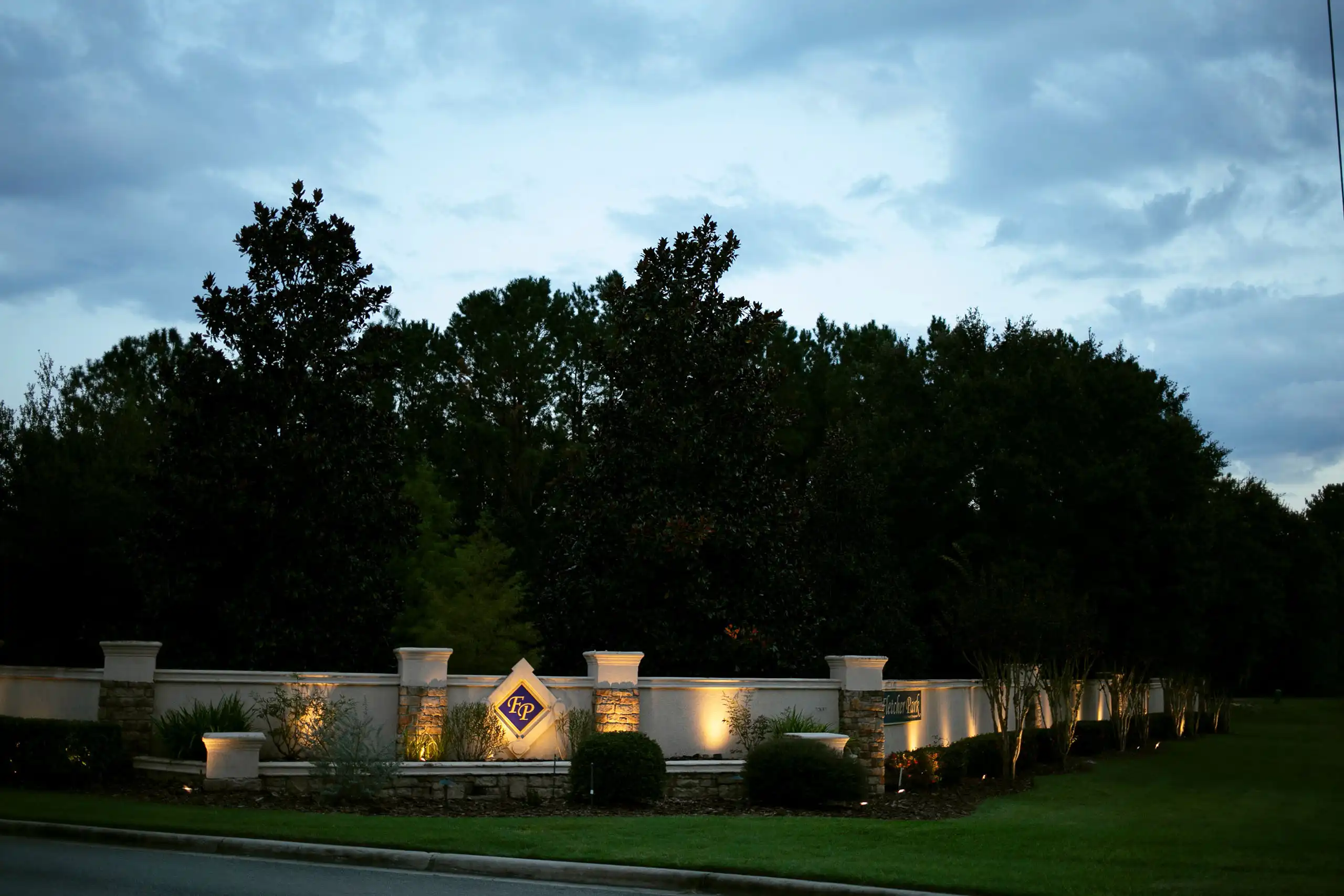
Gainesville winters are mild but unpredictable. Cold snaps can strike suddenly, causing damage to tropical species. The key to winter gardening is focusing on hardy evergreens that hold shape and texture even when blooms fade.
Yaupon holly is a reliable centerpiece for winter landscapes. Its glossy leaves and bright red berries provide structure and color, while its adaptability to pruning allows it to serve as either a hedge or a small ornamental tree. Birds love it, and homeowners appreciate its resilience.
Sago palm is another strong performer in Gainesville yards. Although not a true palm, this cycad boasts dramatic fronds and a strong architectural form. It tolerates light frost and recovers quickly from temperature swings. When paired with camellias or dwarf hollies, it adds tropical appeal without the risk of winter dieback.
Southern wax myrtle also thrives through the coldest months. It grows quickly, withstands both wet and dry conditions, and maintains its dense, olive-green foliage all year. Wax myrtle makes an excellent screen or backdrop plant, and it responds well to shaping.
Winter is also a maintenance season. Water sparingly but deeply during dry spells, and inspect irrigation lines for damage. A layer of mulch remains essential—it prevents root exposure and helps evergreens stay hydrated as winds pick up.
A thoughtful combination of evergreens and hardy ornamentals keeps your Gainesville garden vibrant through every cold front.
Year-Round Favorites: Natives That Always Perform
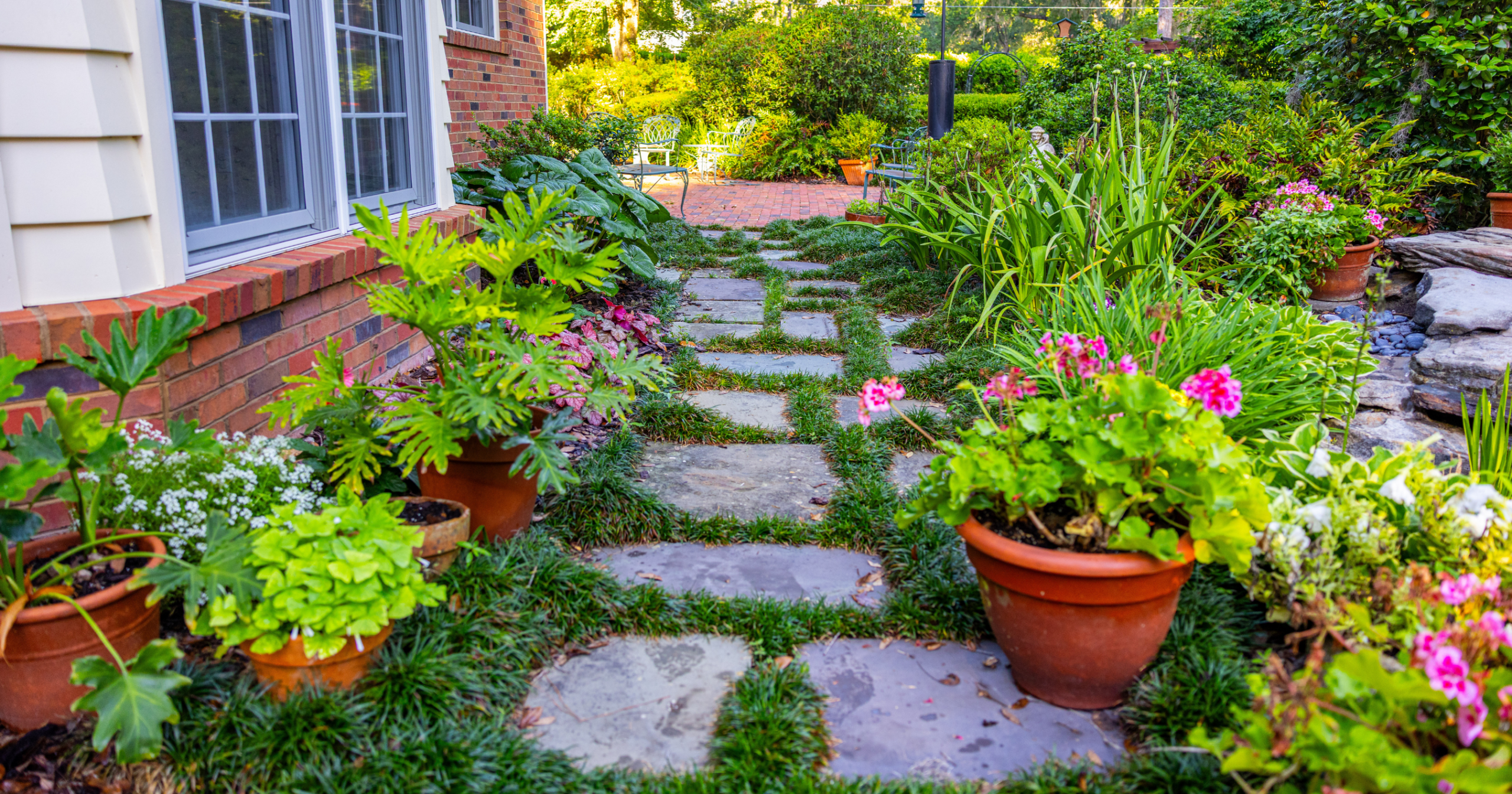
Some species deserve a place in every design because they perform reliably in all four seasons. These Florida seasonal plants provide structure, attract wildlife, and minimize maintenance.
Walter’s viburnum is one of the most adaptable shrubs in the region. It functions as a hedge, screen, or small tree and bursts with fragrant white blooms each spring. Once established, it needs minimal care.
Beautyberry is another standout. It thrives on the edge of wooded areas and offers bright purple berries in fall that draw birds. The plant’s natural shape and durability make it a strong background element in mixed borders.
Firebush remains a year-round favorite for its long bloom season and bright orange-red flowers. It supports pollinators and adds bold color from late spring through fall. Even after light frost, firebush rebounds quickly, keeping the landscape full of energy.
Yaupon holly, wax myrtle, and muhly grass round out the list of consistent performers. Together, these species form the foundation of sustainable Gainesville gardens—resilient, native, and perfectly adapted to local soil and weather.
When planned thoughtfully, these plants work in layers. Lower shrubs fill the foreground, mid-height perennials add texture, and taller trees or grasses provide vertical rhythm. By repeating just a few core species, you achieve balance, cohesion, and natural beauty that lasts through every season.
Plan with Confidence: Partnering for Lasting Results
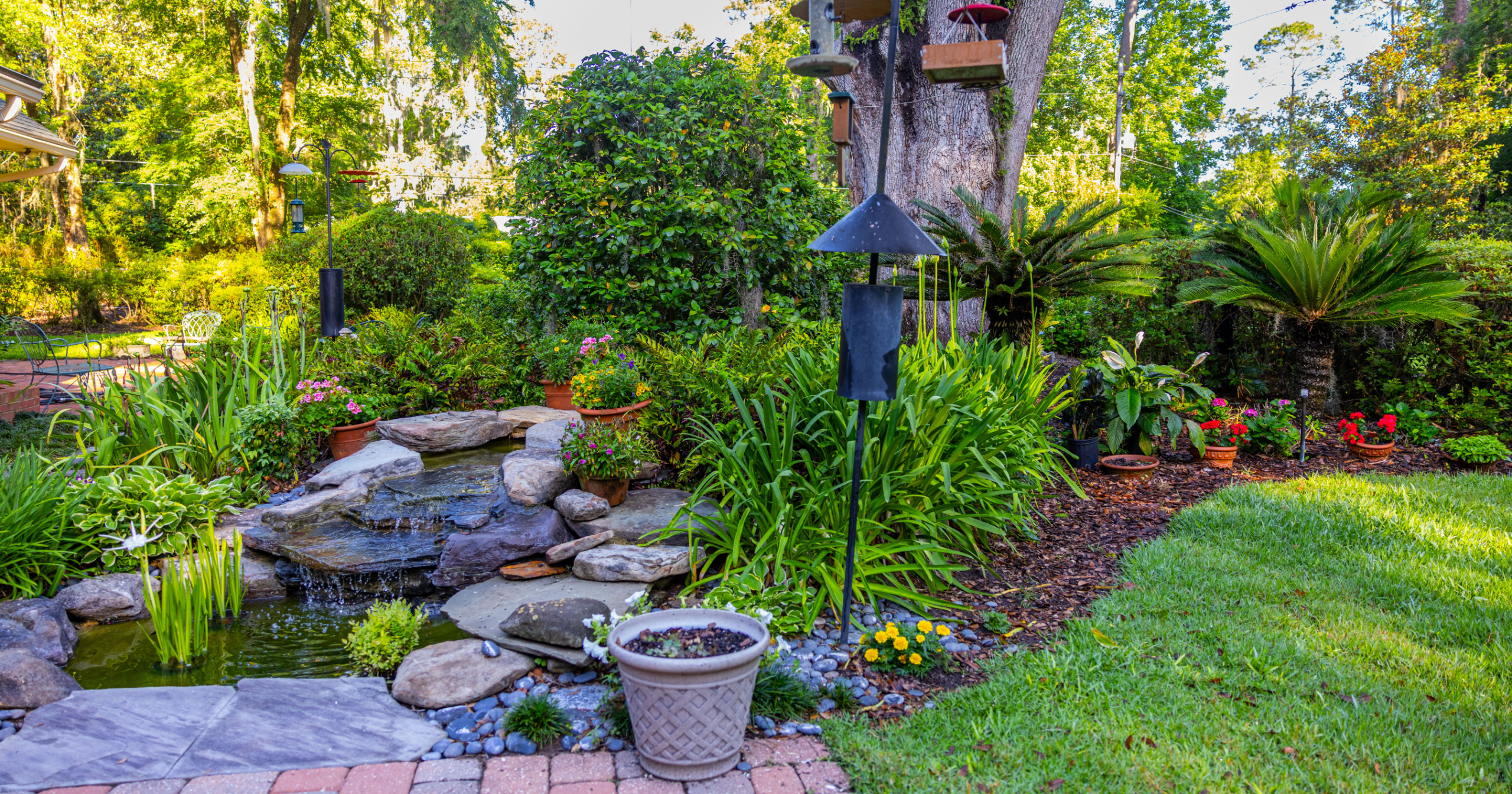
A thriving Gainesville landscape doesn’t happen by accident. It’s the result of careful planning, consistent care, and experience with local conditions. A professional design team that understands how to use Florida seasonal plants across changing weather can help you achieve year-round impact without constant replanting.
SkyFrog Landscape specializes in creating sustainable, regionally attuned designs that reflect both beauty and function. Their horticultural expertise and commitment to effective communication ensure your project stays on schedule and your plants remain healthy. From soil testing to plant selection and seasonal updates, their team helps you make the most of Gainesville’s natural rhythm.
If you’re ready to apply this Gainesville gardening guide in your own yard, start with a simple consultation. Together, you can map out a plan that brings color, structure, and low-maintenance beauty to your landscape—through every month of the year.